Best Photo Spots in Tulum
Tulum might be Mexico’s most photogenic town: clifftop ruins over turquoise water, a giant wooden goddess opening her chest to the jungle, cenotes lit by sunbeams, and a beach road lined with boho design at every turn. Whether you shoot for the feed or the family album, this is the shot list, with the timing that makes each one work.
In This Guide
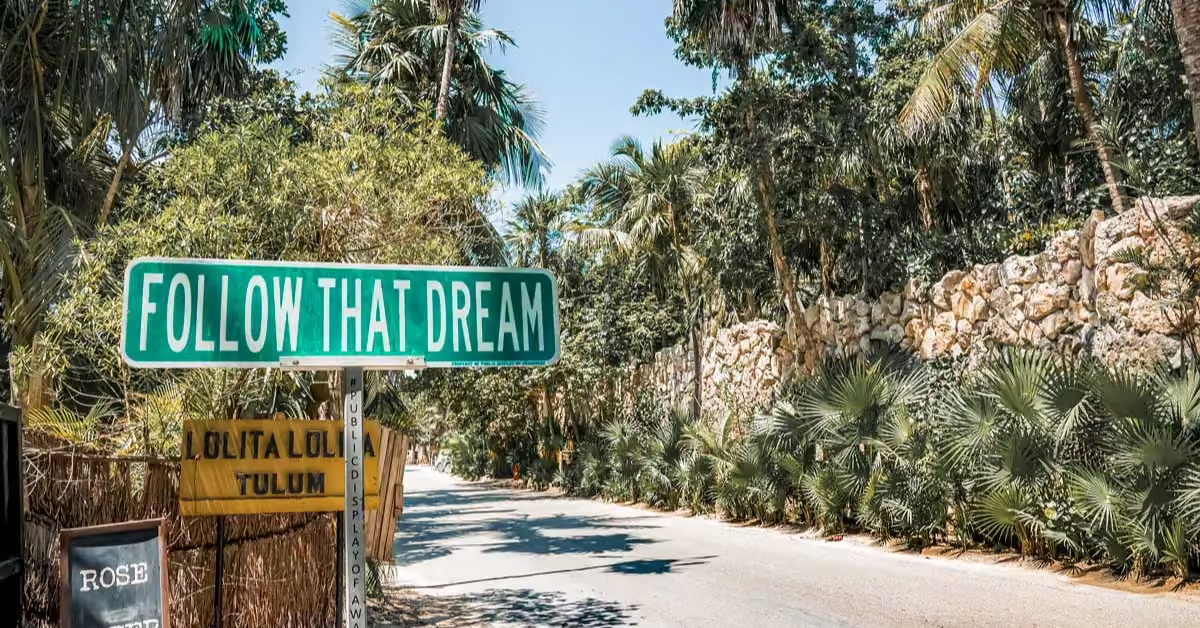
Follow That Dream Sign
The most recognizable image in Tulum: the simple wooden sign on the beach road in front of Lolita Boutique, a rite of passage for visitors and a symbol of the town’s free-spirited identity. Shoot early morning before crowds and traffic build; the jungle-and-road backdrop works for both candid and posed shots, and the boutiques and cafes around it are photogenic in their own right.
Build a Golden Hour Route
Chain the sign, the beach, and Ven a la Luz into one early morning run, and you clear Tulum’s three busiest photo stops before the crowds wake up.
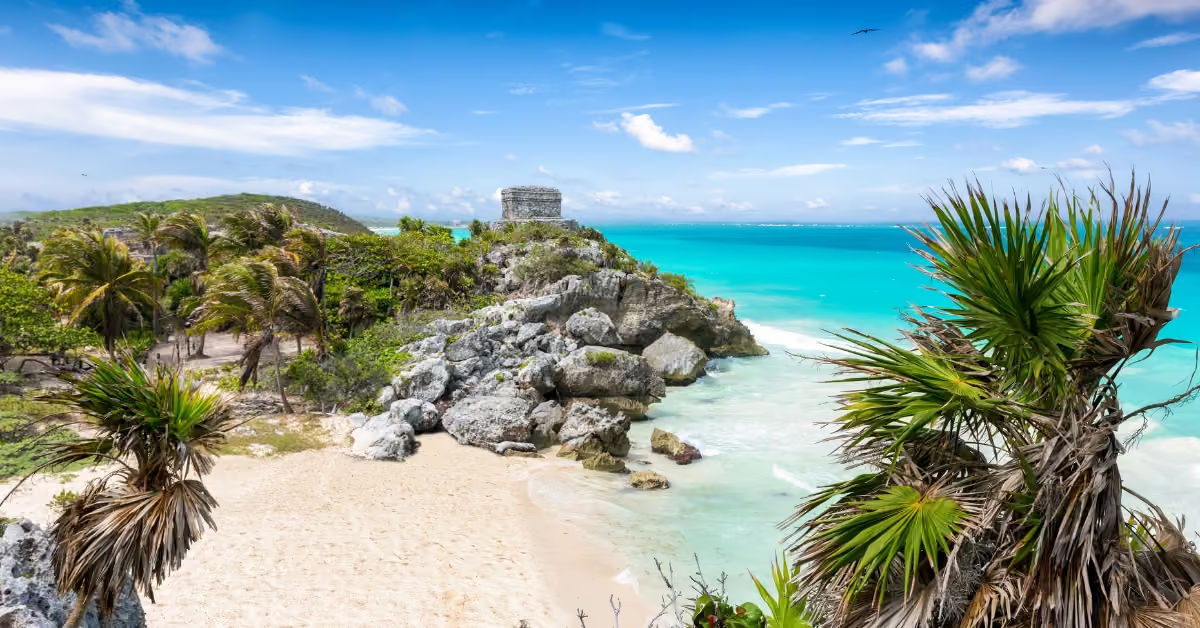
The Tulum Ruins
One of the only Mayan cities built on the coast, and it photographs like it: El Castillo perched on its cliff above the Caribbean is the money shot, wide to capture stone and sea together, or close for the carved details, with iguanas as willing foreground models. Go at the 8 AM opening for soft light and empty frames.
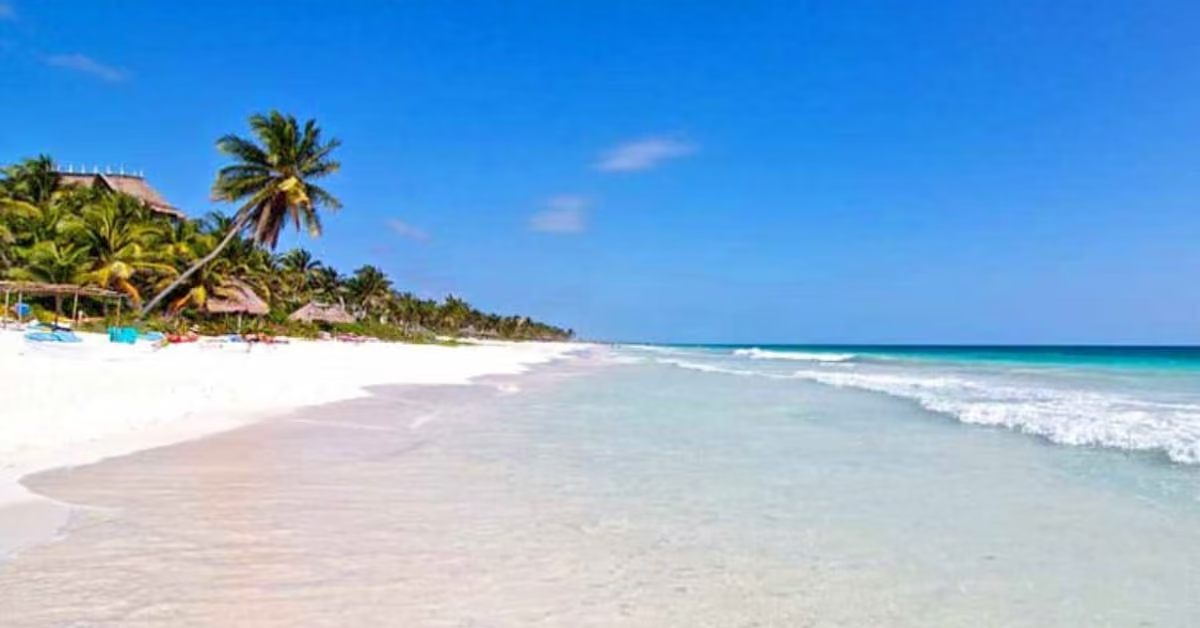
Beaches and Beach Clubs
The famous sand delivers, and the clubs raise the game with wooden swings, hammocks, and handcrafted decor. Playa Paraiso and Playa Pescadores are the classic stretches, and beach access along the Hotel Zone has improved now that venues are required to provide public routes through. Sunrise gives quiet pastels; sunset gives drama. For styled surroundings, a daybed session at an upscale club like Taboo or Gitano Beach buys hours of photo-worthy corners along with the minimum spend.
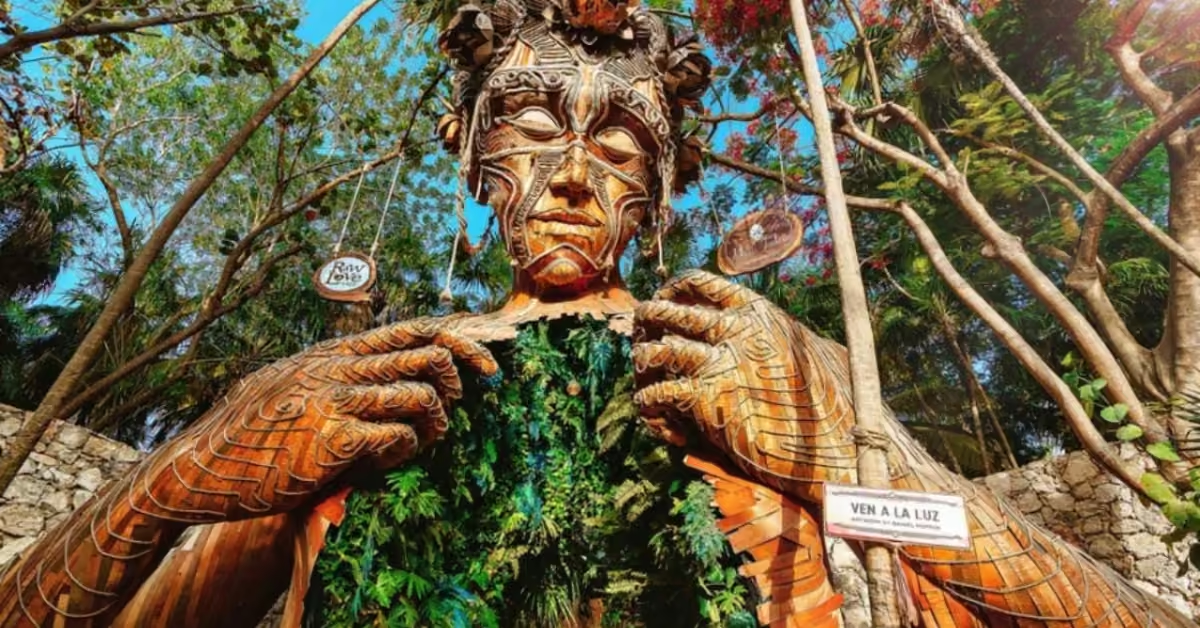
Ven a la Luz
The giant wooden woman opening her chest to reveal greenery inside has become Tulum’s icon of art and nature in harmony. Expect a line at peak hours; it is one of the most famous photo stops in Mexico, so come before 10 AM or in late afternoon. Center yourself under her archway for the classic shot, or frame from the side for something less seen.
The Cenotes
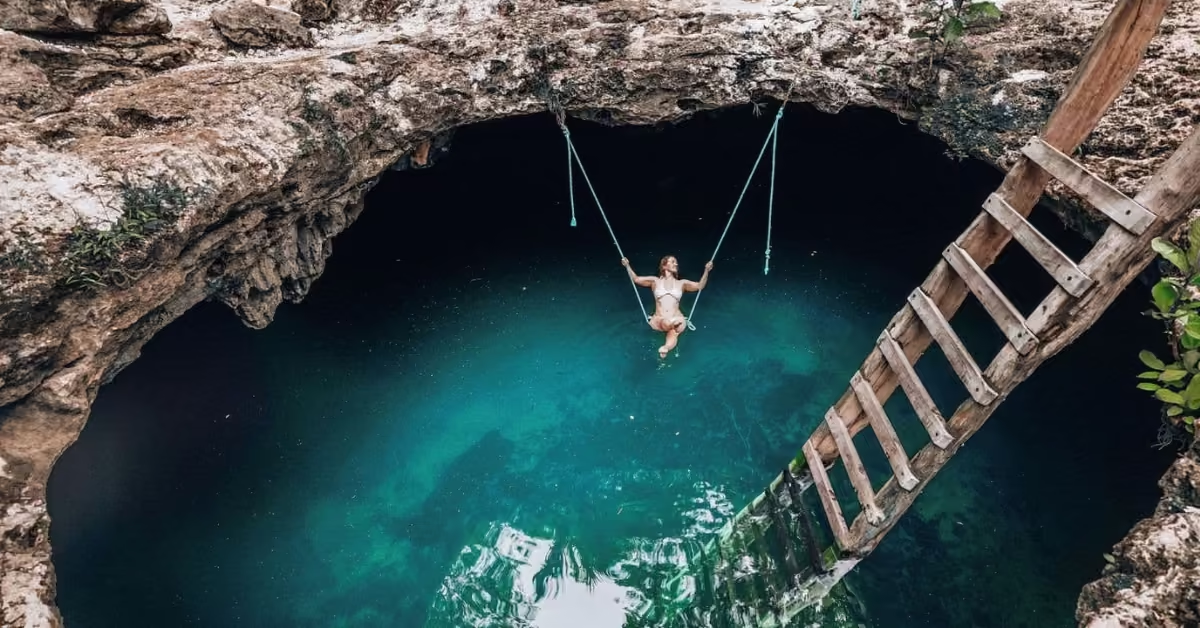
Nature’s own studios. Gran Cenote for crystal water and greenery over the cave mouths, Cenote Calavera for jumping shots through its skull-shaped openings, and Dos Ojos for cave and snorkel photography. Bring a waterproof case or action camera, and go early when sunbeams stream through the openings, the light does the work.
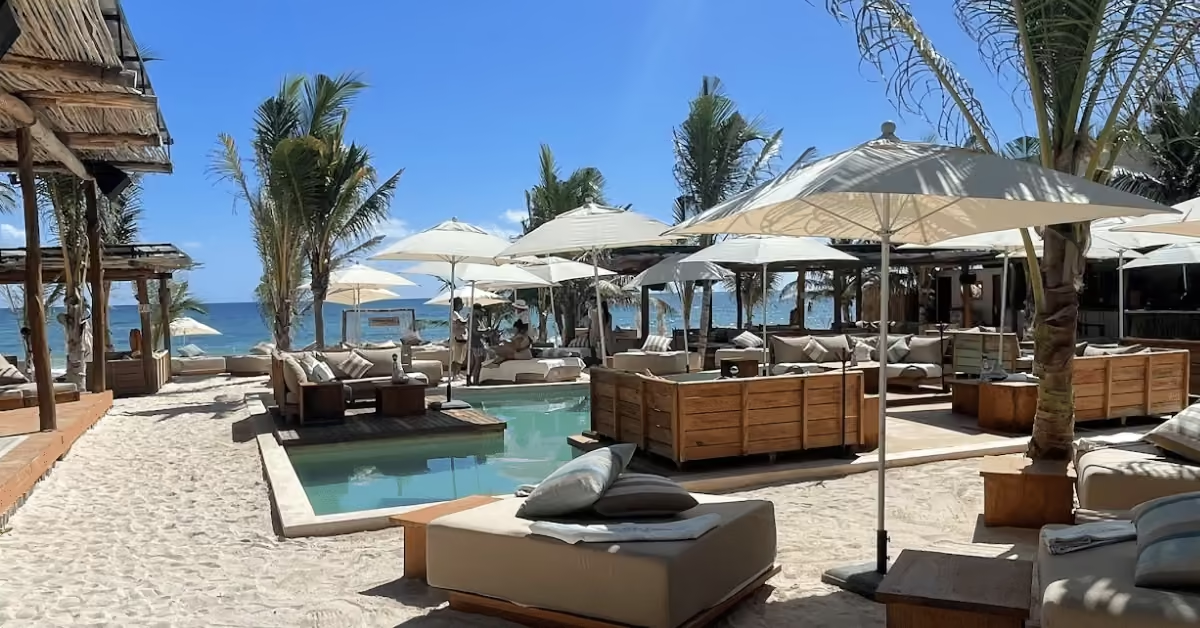 Daybeds with a View Included Tulum’s most photogenic beach clubs can be reserved ahead at no extra cost, stylish corners, swings, and sunset views included. Browse Beach Clubs
 Jungle Cafes and Boutiques
The beach road’s cafes and shops are built from natural materials with artistic details everywhere: woven lanterns, murals, swing seats, palm-frond structures. Matcha Mama’s swings are the known stop, but half the charm is finding your own corner with jungle light filtering through.
SFER IK and the Murals
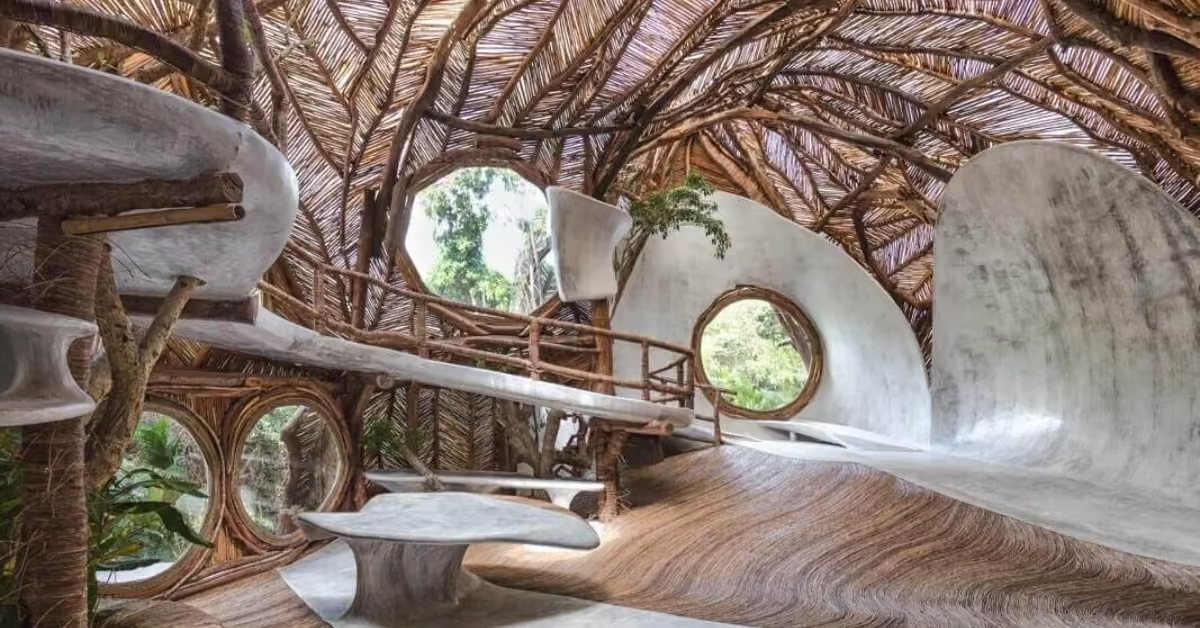
The wood-and-glass dome of SFER IK beside Azulik is the architectural shot of Tulum, and the murals scattered through town reward a slow wander with street-photo material. Luxury hotel entrances, designed to be photographed, round out the list.
 A Driver for the Photo Route A private driver on open service links the sign, the sculpture, the cenotes, and the ruins in one smooth loop, with the gear riding along. Book a Private Driver
  In Front of the Camera for Once A local photographer who knows these spots and the best light handles the posing and the timing, so the whole group makes it into the shot. Book a Photographer
 More in Things to Do
Cooking Classes in Tulum
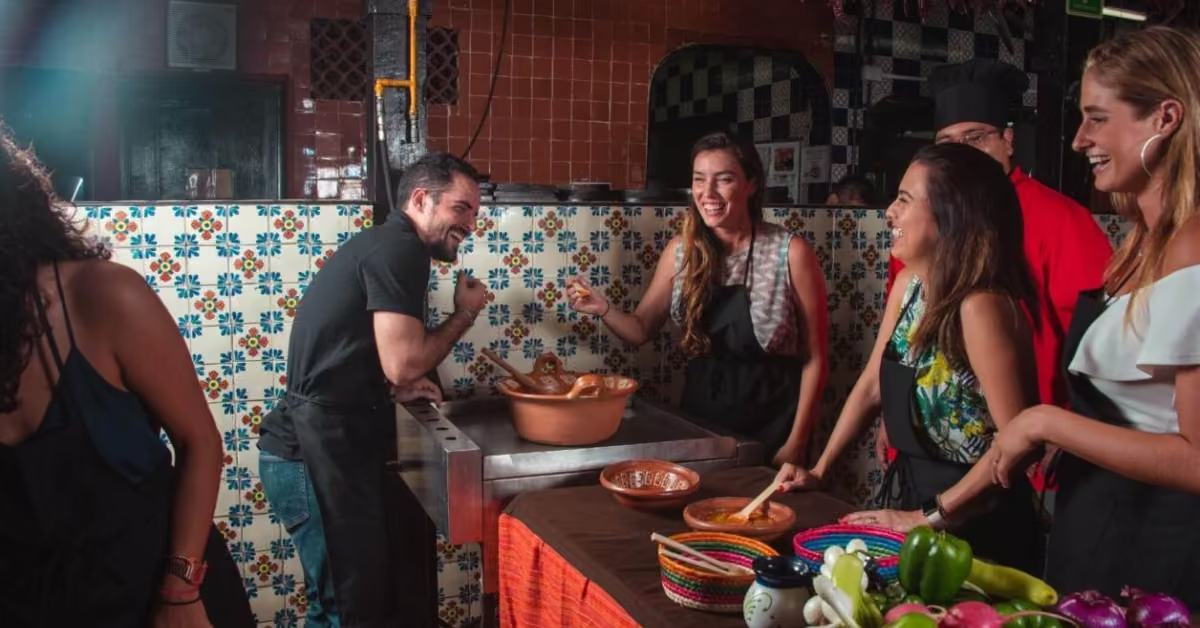
Cooking classes in Tulum: tortillas, salsas and tamales with local cooks at Rivera’s Kitchen and Lina’s, ending in a feast you made yourself.
Diving in Tulum: Cenotes and Reef
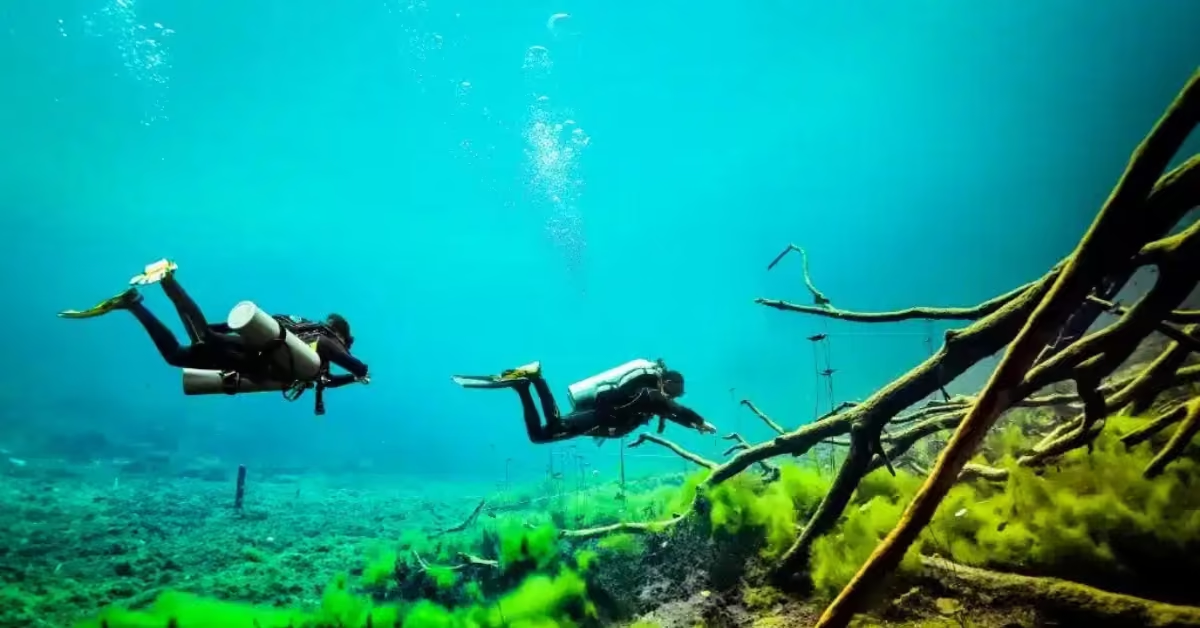
Scuba diving in Tulum: famous cenote and cavern dives like Dos Ojos and The Pit, relaxed reef trips, courses, and the certification you need.
Festivals in Tulum: Music and Culture
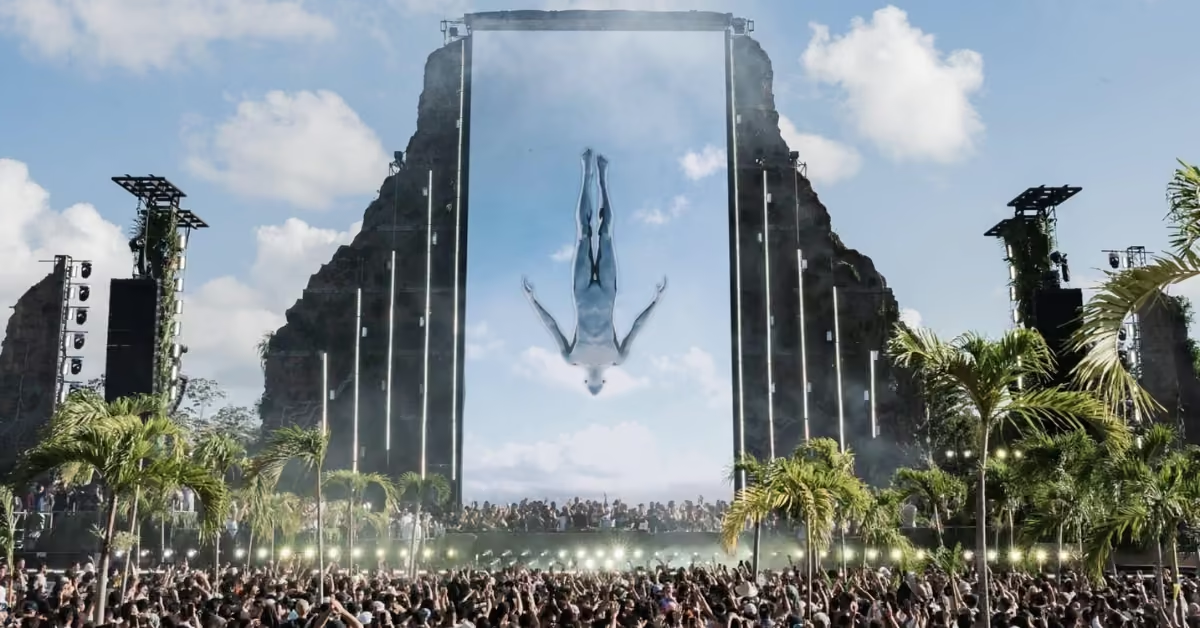
The festivals worth planning a Tulum trip around: Zamna and Day Zero in the January jungle, plus the region’s turtle, Maya, and film festivals.
Plan Your Tulum Days with Us
Tours, transfers and extras for your villa, plus restaurant and beach club reservations at the venue’s own prices. Tell us your dates and we’ll set it up.
 Messages