Tulum Bachelorette Party Guide
Planning a Tulum bachelorette: villas and hotels for groups, beach clubs, boat days, dinners worth dressing up for, and a ready-made itinerary.
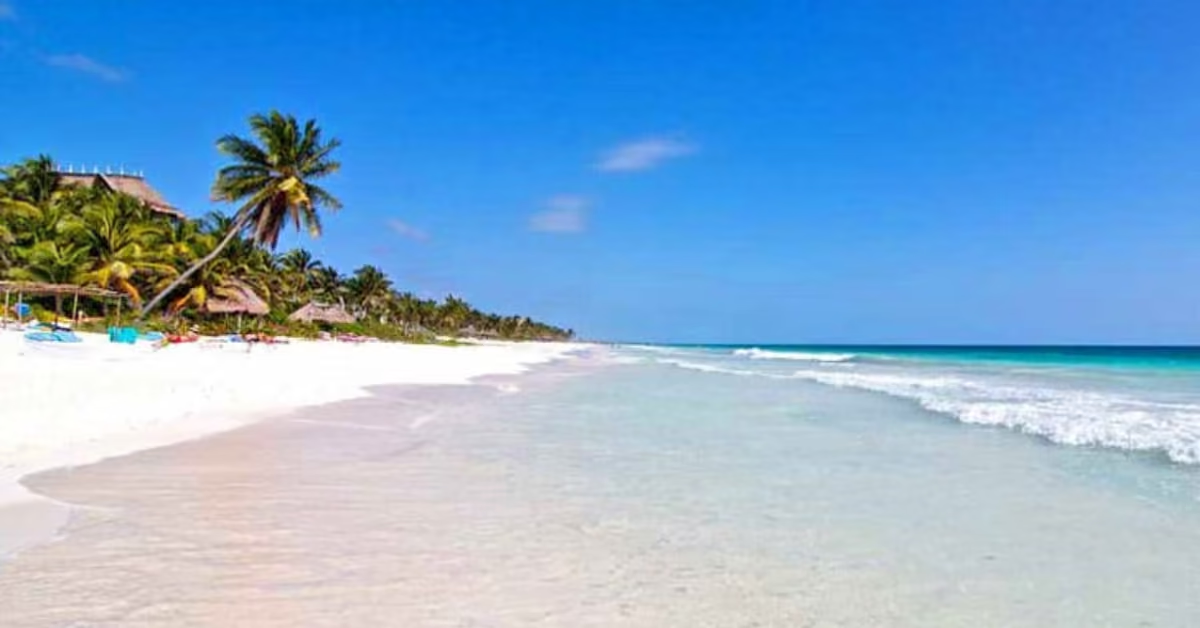
Tulum’s beaches are the postcard: powdery white sand, palm shade, and turquoise Caribbean water. What the postcard does not show is how access actually works, since Tulum’s coastline is a patchwork of park-entry beaches, club-and-hotel stretches, and one genuinely free public point. Here is the honest map to the sand, so you end up on the right beach for your kind of day.
Playa Paraiso: the famous one, with soft white sand and shallow, swimmable water beneath the ruins. The catch: it now sits inside the Jaguar Park, so access requires the park ticket, around 500 pesos, and plastic bottles are banned at the entrance. Food and drinks on the beach stay reasonably priced once inside.
Playa Pescadores: Paraiso’s charming neighbor, sharing the same park entry, known for its photogenic fishing boats, clear water, and a few relaxed dining options. Small boat tours leave right from the sand.
The Hotel Zone beach: the celebrated strip of barefoot-luxury sand along the beach road. Beautiful, but access runs through the hotels, beach clubs, and restaurants, so plan to be a guest or a customer; a daybed and a minimum spend is the standard formula.
Playa Punta Piedra: the honest exception, a small local beach in the middle of the hotel zone and the only truly free public access point on that stretch. Modest, relaxed, and mostly local.
Sian Ka’an beaches: south of the hotel zone inside the biosphere reserve, wild, empty, and spectacular, for those willing to brave the rough road.
Technically, yes: like everywhere in Mexico, Tulum’s beaches are public by law. In practice, reaching the sand is the puzzle, since along the hotel zone the land behind the beach belongs to hotels, beach clubs, and restaurants, so most access runs through being a guest, paying a club’s minimum spend, or an entry fee. The good news is that venues are now required to provide public access routes to the beach, which has made simply walking to the water noticeably easier than it used to be. For a guaranteed free swim, Punta Piedra remains the honest public access point in the hotel zone, and the northern beaches are open to anyone with a Jaguar Park ticket.
One honest note: seasonal sargassum seaweed can wash up on Tulum’s beaches, mostly between May and October, varying week to week and beach to beach. Hotels and clubs rake their stretches daily, and the cenotes and lagoons are always seaweed-free alternatives. If pristine sand is essential, check recent beach reports before you commit the day.

Planning a Tulum bachelorette: villas and hotels for groups, beach clubs, boat days, dinners worth dressing up for, and a ready-made itinerary.

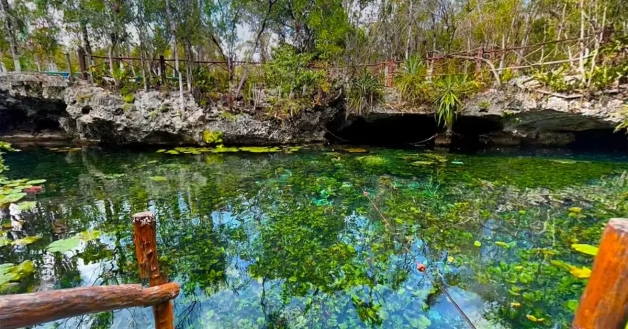
Cenote Nicte-Ha near Tulum: a quiet, semi-open cenote of crystal water and lily pads, loved by photographers, with entry prices and visiting tips.
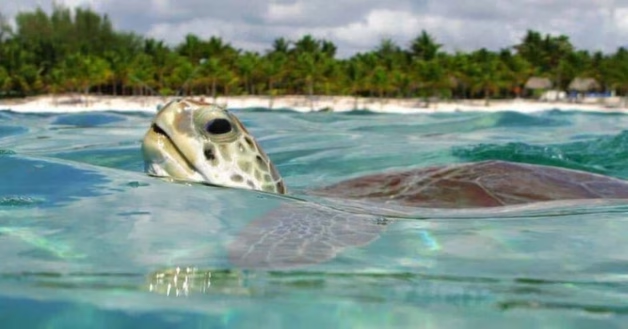
Where to swim with turtles near Tulum: Akumal Bay’s guided snorkel, the Xcacel sanctuary, nesting season, and the rules that keep the turtles thriving.

How to throw your own party in Tulum: villas that actually allow events, catering, DJs and mariachi and decor.
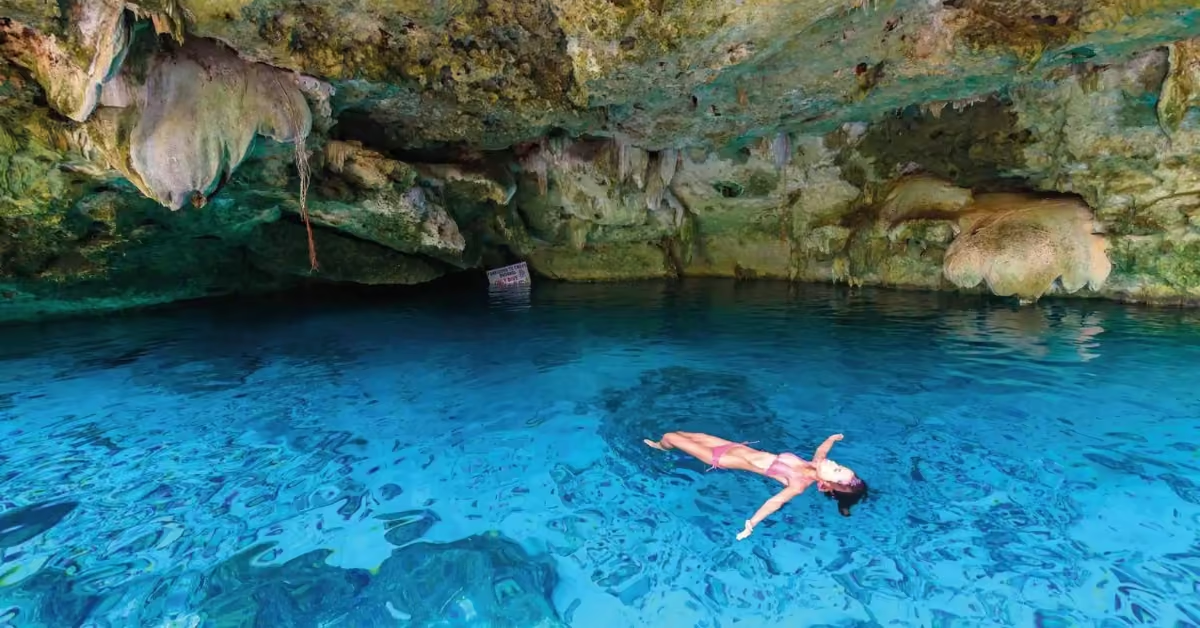
Cenote Dos Ojos near Tulum: the two-eyed cavern system famous for snorkeling and diving, with entry prices, what to expect, and the best time to go.
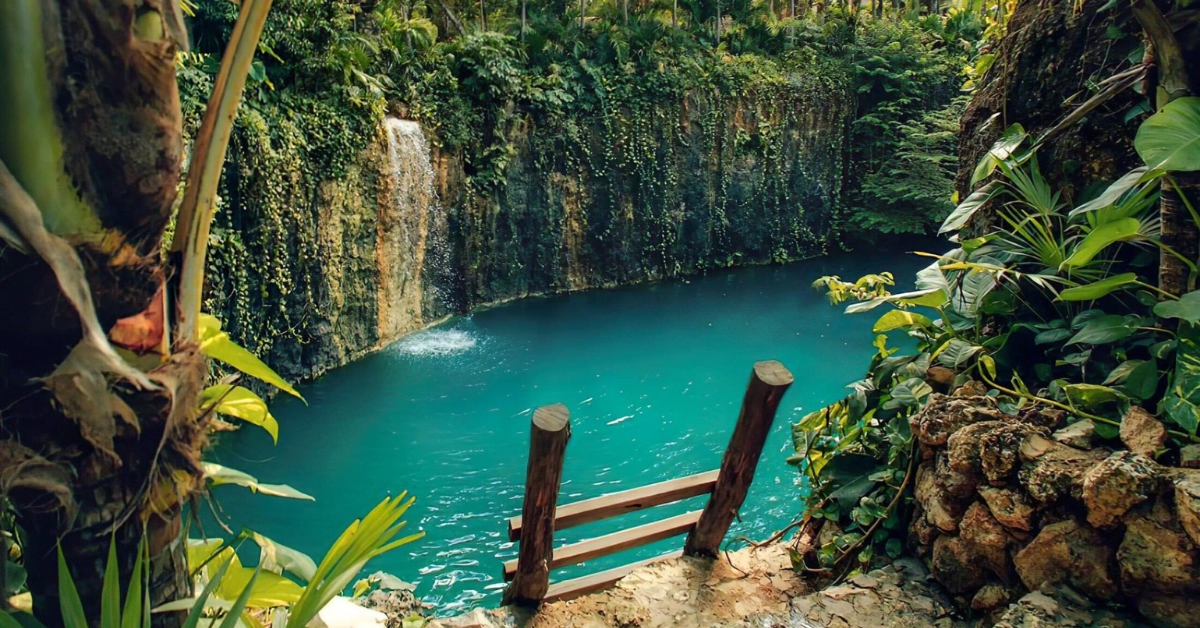
Cenote Atik near Tulum: a natural park where Mayan-inspired art installations meet jungle swimming, with entry prices and what makes it different.
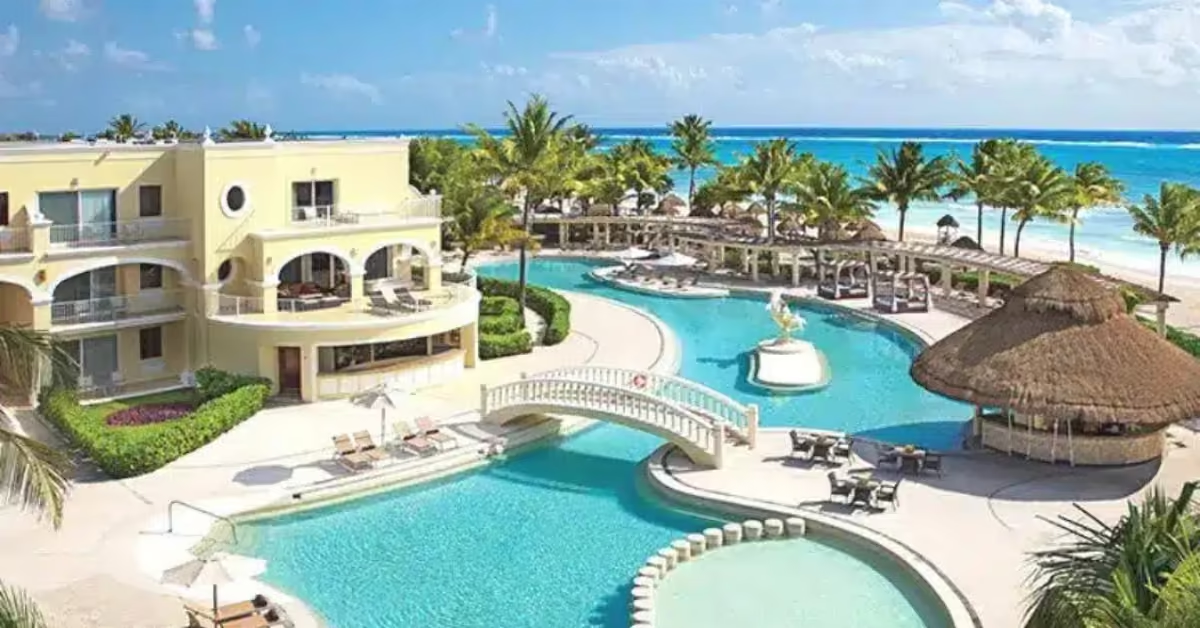
Tulum’s best resorts compared: beachfront luxury, wellness retreats, and family-friendly options, with locations, amenities, and booking advice.