Jaguar Park Tulum: Tickets & Tips
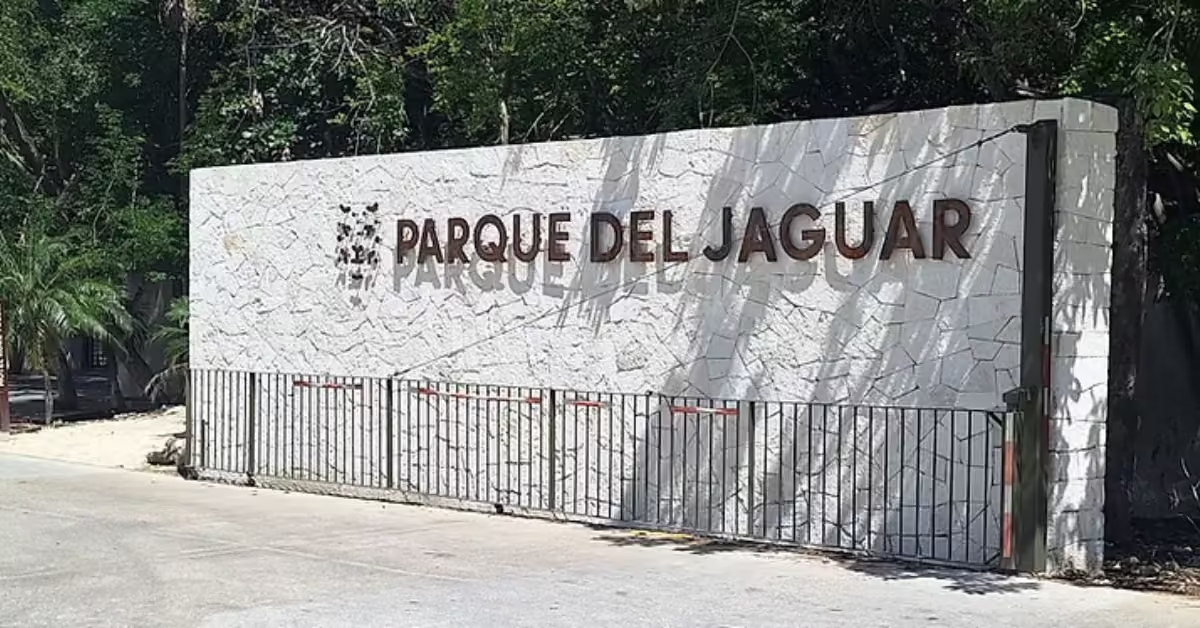
Parque del Jaguar is Tulum’s newest landmark: a large protected ecological and cultural reserve wrapping around the archaeological zone and the northern beaches. Part nature park, part cultural project, it has reshaped how visitors reach the ruins and Playa Paraiso, and it is worth understanding, and enjoying, on its own terms.
In This Guide
What It Is
The Jaguar Park exists to protect the jungle habitat around the ruins while opening it up for low-impact visits: hiking trails, lookout towers, bike paths, cultural spaces, and beach access all sit inside its borders. Practically, it is now also the gateway to the Tulum Ruins and the famous beaches beside them, with a combined ticket covering the park and the archaeological site.
Jaguar Park
What to Do Inside
- Walk the trails
- Paths wind through the forest, along vestige routes, and out to cliffside viewpoints over the Caribbean.
- Climb the lookout towers
- The panoramic views over jungle and sea are the park’s secret highlight, and superb for birdwatching.
- Ride the bike paths
- Rental stations sit throughout the park, with equipment for kids and adults, making two wheels the easiest way to cover its scale.
- Hit the beach
- The park includes access to the northern beaches, Playa Paraiso and Pescadores among them.
- Eat and browse
- Traditional kitchens serve food from local cooks, alongside artisanal shops and cultural exhibits on the region’s flora, fauna, and history.
Climb a Tower at Golden Hour
Late afternoon light from the lookout towers turns the jungle-and-sea panorama into one of the best photos in Tulum, so time it before the park closes.
Entry Fee and Opening Hours
Going only to the beach is free through the park’s public beach entrances. To enter the park itself, foreign visitors pay 100 pesos (Mexican visitors enter free), and the ruins cost 165 pesos more, so about 265 pesos for the full visit. It’s open between 8 AM and 7 PM. The park is largely open-air and sun-exposed, so mornings are the comfortable window.
Park Rules: What’s Not Allowed
To protect the park’s delicate ecosystems and ensure a respectful visitor experience, the following items and activities are strictly prohibited:
- Plastic bags and bottles
- Only reusable containers are allowed.
- Glass containers
- Not permitted inside the park.
- Alcoholic beverages
- Consumption is prohibited.
- Cigarettes and smoking products
- Smoking is not allowed within the park.
- Drones
- Use of drones is forbidden to protect wildlife and privacy.
- Loudspeakers and amplified music
- To maintain tranquility, loud music is not allowed.
- Pets
- Animals are not permitted to preserve the natural habitat.
- Climbing on structures
- Climbing on ruins or park structures is strictly prohibited.
To make your entrance smoother, ensure you’re not carrying any of these items in your bag or vehicle, as you will pass through a search point where security checks for all restricted items.
Reviews of Jaguar Park
2.7 · 612 reviews on Google

The park itself is wonderful, something for everyone and it's easy to make a day of your visit. Gorgeous beaches and trails, beautiful ruins, very walkable or easy biking, but there are consistent shuttles from area to area for convenience. Family friendly - there's even a cool museum on site! The nature park is immaculately clean, due in part to the excellent staff and in part to the single-use plastic ban. It's a great experience and you get far more than you pay for! My annual stay in Tulum has become an annual stay in Akumal over the years because of people like the ones who have left entitled, braindead, bratty one-star reviews on this listing. Don't listen to the Karen's, if a >$30 entry fee to a national park breaks their bank & ruins their day, that's their business. It's giving "I scream at the resort staff in very slow English because my steak isn't well done enough." and thank God they had a bad time at this park so they won't be back to ruin your time with their plastic water bottles and mannerless children. Bottom line, this park is fantastic and the people who are leaving tantrum reviews about how paying $20 to get in has "forever ruined Tulum for them" should save their money anyway for etiquette lessons and mood stabilizers.

Honestly, I was almost about to not go to the beachfront just because of the negative reviews here. I think all is a little excessive and I feel most of reviews have been made by spoiled Americans who have the habit to drive literally everywhere. I went on an afternoon by car through Avenida Coba. You can get all the way through with your car until the end, where you have an option: turn left (north) into the park or turn right (south) into another street that has ton of free public parking. So, just turn left and park on the street. Entering by car is not worth it nor recommended, you will pay quite a lot (not sure about the exact fee, but could be around 400 pesos per person) and inside there is virtually no parking. The super high fees are clearly put on to deter people from driving in, which is a good thing in my view. If you enter on foot (or by bike for that matter), you will enter absolutely for free. The personnel at the entrance is super kind and they will tell you there is a FREE shuttle that is available to everyone that goes up and down the park. We didn't use it, but looked pretty nice. Inside the park, everything is super well curated, clean and green. You have the feeling they do a great job to keep the littering to a minimum and maintain natural spaces. Hence why you won't be allowed bringing in glass or plastic. We walked up to Playa Pescadores and the beach is wonderful, lots of palms, and white sand. You can find some shade under the palms, but not anywhere else. If you want a bit more comfort, that is the moment where you can rent an umbrella and sun beds at a beach clubs (wouldn't know the prices, as I didn't do so). At the end of the park, you'll find the Tulum ruins. We didn't visit as we saw many other ruins, importance wise they are not the best of the best but probably worth a look if you are in the area. Please research for yourself and don't trust negative reviews. This place is well worth your visit.

Spent one night at a lovely hotel that was very Eco (no hairdryers!!) and thought the beach was lovely. I find it a bit strange that other reviewers complain about not being allowed to bring in plastic. Many, many places in Europe have banned plastic a long time ago. It’s a beautiful place, definitely worth visiting if you want an experience that is not resorty!

I visited the Tulum ruins on a rainy day, but the site was still absolutely stunning. It’s an incredible place to see firsthand how advanced and knowledgeable the Maya were in astronomy and other fields. Definitely worth the trip. Be sure to wear comfortable walking shoes and bring some sun protection... it’s a lot of walking with very little shade.
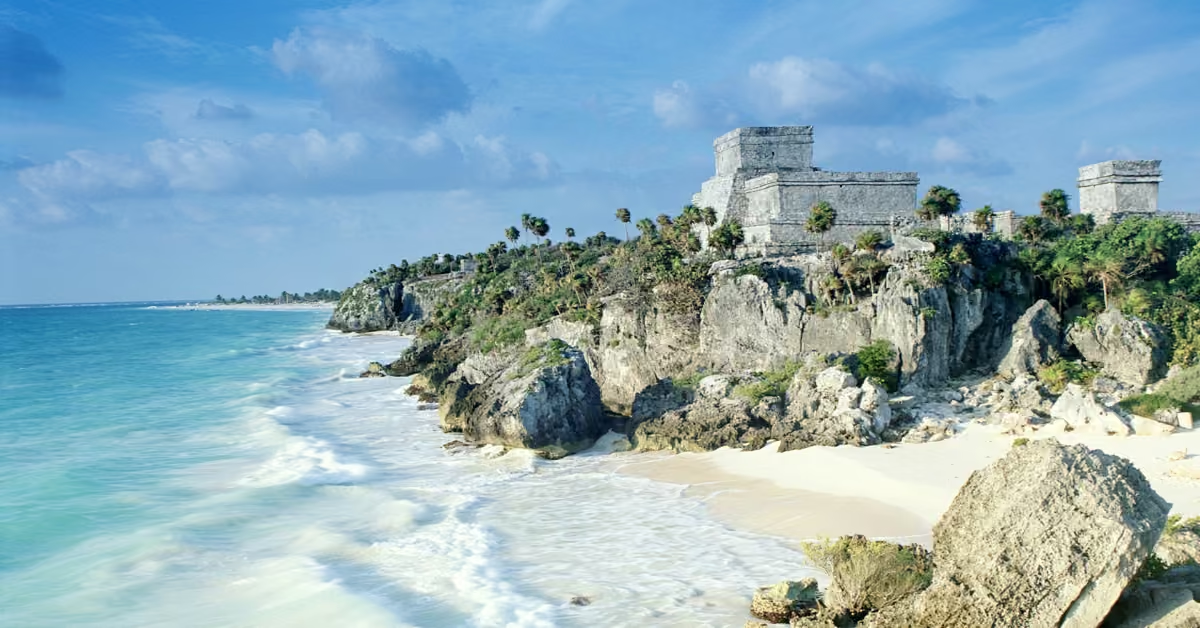 The Ruins, Guided and Sorted The Tulum Ruins tour handles the tickets, the guide, and the transport through the Jaguar Park gateway, then cools the day off with a cenote swim. Book the Tulum Ruins Tour
 More in Things to Do

Jet Ski near Tulum: Where to Ride
Jet ski near Tulum: why rentals are not in Tulum itself, the closest rides in Akumal and Playa del Carmen, and the boat-day alternative.

Massages in Tulum: Styles and Studios
Getting a massage in Tulum: beachfront tables, jungle spas, in-villa therapists and the Mayan styles you only find here, with honest guidance.

Mezcal Tastings in Tulum
Mezcal tastings in Tulum: guided sessions at Mamazul, beach tastings at La Zebra and Tuesday sunsets at Ziggy’s, and what sets mezcal apart.
Plan Your Tulum Days with Us
Tours, transfers and extras for your villa, plus restaurant and beach club reservations at the venue’s own prices. Tell us your dates and we’ll set it up.
 Messages