Renting a Car in Tulum: Honest Guide
Renting a car in Tulum: real prices with insurance, traps to avoid, and when a car beats taxis for your trip.
Share:
A rental car can be the perfect way to explore the Riviera Maya, or an unnecessary headache, depending on your plans. Here is our honest take on when renting makes sense in Tulum, what it really costs, and how to avoid the common surprises, so you can decide with confidence.
A car is a great choice if you are planning self-guided day trips outside Tulum, to places like Chichen Itza, Coba, or Bacalar, and if you enjoy the freedom of setting your own schedule. It also suits larger groups, where the cost per person drops and a taxi for everyone becomes impractical.
If you would rather not deal with insurance, checkpoints, and parking, a private driver gives you the same freedom to roam without any of the driving. And for getting between towns on a budget, the ADO bus and colectivos are easy and cheap.
We do not recommend a rental car just for getting to the beach and hotel zone. The beach road is often jammed with traffic, parking there is limited and expensive, and if your night includes drinks, driving back is a real risk. Police frequently stop rental plates leaving the hotel zone at night, hoping to collect from tourists, and a drink-driving stop here is an expensive problem. For a night out, a scooter or ATV works for a sober trip, but a private driver is the safe, comfortable choice if you plan to enjoy a few cocktails.
A rental typically starts around 30 USD per day, but that headline number is misleading. The mandatory Mexican insurance is usually not included in online prices, and it is often a large part of the total. Because of this, advertised rates are nearly useless for comparison. The only reliable way to compare is to ask each company for the full price including insurance. Expect higher rates in the busy December and January season, and remember that a different pick-up and drop-off location can add a notable fee.
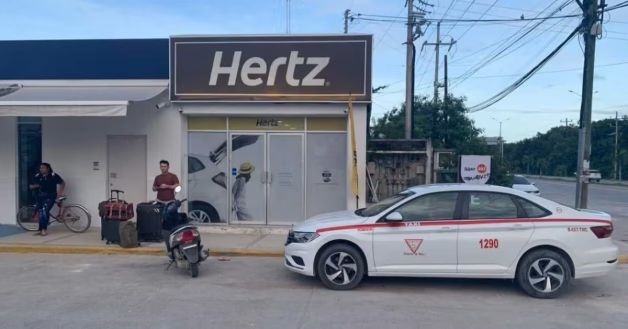
You will find several rental agencies along Avenida Coba, the main road between downtown Tulum and the beach.
A few things to keep in mind on the road: topes (speed bumps) can be high and poorly marked, road rules vary a little from home, and if you are stopped by police, stay calm and patient. In Quintana Roo, the free Tourist Mobility Pass (via the state’s Guest Assist program) lets visitors have a minor matter, like a seatbelt or phone violation, waived, though genuine offenses like speeding or drinking and driving do carry real fines.

Renting a car in Tulum: real prices with insurance, traps to avoid, and when a car beats taxis for your trip.
Horseback riding near Tulum: ethical jungle rides on rescue horses at Rancho Baaxal and ride-plus-cenote combos at Rancho Bonanza, with practical tips.
The best hotels in Tulum for every budget and style, from beachfront boutiques to downtown value stays, with honest advice on picking your area first.
Parking in Tulum explained: where to park downtown and at the beach, typical fees, the hotel zone squeeze, and how to avoid tickets and towing.

Cenote Cristal just south of Tulum: an open-air jungle swimming hole with jumping platforms, honest entry prices, and a calm, local feel.

Cenote Calavera in Tulum: the skull-shaped jump holes that made it Instagram famous, entry price, facilities, and tips for the perfect leap.

Where to play tennis and padel in Tulum: the Padel Social Club in La Veleta and the municipal academy, with rentals, coaching, and booking tips.