ADO Bus to and from Tulum: Full Guide
The ADO bus is the budget traveler’s best friend in this part of Mexico. The buses are modern, air-conditioned, and comfortable, and they connect Tulum with the airports, the big towns, and the famous ruins. If you do not mind fixed schedules and a bit of Spanish, it is a great-value way to get to Tulum and explore the Yucatan. Here is everything you need in one place.

In This Guide
What Is the ADO Bus?
ADO is the major bus company in the region, and the main operator running between Cancun and Tulum. The buses are spacious and well kept, with air conditioning and reservable seats. Tickets are budget-friendly, and you can buy them online in advance or at the terminal. Do not expect much English from the staff, so having your ticket and destination ready on your phone helps.
The Two ADO Terminals in Tulum
Tulum has two stations, and knowing the difference saves confusion.
- Tulum Pueblo (the main terminal)
- This is the one most travelers use. It sits on the central Avenida Tulum, next to the Circle K and across from the second colectivo stop, and it is open 24 hours a day, seven days a week. From here you can reach just about everywhere: Cancun and its airport, Playa del Carmen, Merida, Bacalar, and Mexico City, plus day-trip favorites like Chichen Itza and Coba. It is also the final stop, central, and surrounded by shops and cafes with wifi, which makes it the easy choice.
- Tulum Ruins (the smaller stop)
- Out on the highway toward Cancun, about two kilometers from the archaeological site. It serves fewer routes, mainly Playa del Carmen and Cancun, and is handy only if you are coming or going straight from the ruins.
For almost every trip, use the downtown Tulum Pueblo terminal.
Pack a Layer for the Aircon
ADO buses run the air conditioning cold, so a light jacket or scarf turns a chilly two-and-a-half hour ride to Cancun into a comfortable one.
Getting from Cancun to Tulum by Bus
This is the most popular ADO route, and a great budget way down from the airport.
- Where to board in Cancun
- There is a terminal right at Cancun Airport, which is easiest if you are arriving by air, plus the downtown Centro terminal and stops along the Hotel Zone.
- Fare
- Roughly 250 to 500 pesos one way, depending on whether you board at the airport or downtown and which service you take.
- Time and frequency
- About 2 hours 40 minutes, with departures running frequently through the day, roughly every hour or so.
- Where it arrives
- The downtown Tulum Pueblo terminal, a short taxi from most hotels. Heading back, you can catch the bus to Cancun Airport from either Tulum terminal.
Buy your ticket ahead in peak season, give yourself a comfortable buffer after landing, since immigration and baggage at Cancun can be slow, and you are set.
Routes, Fares, and Times from Tulum
Fares shift a little with bus type and season, so treat these as a guide. All run from the Tulum Pueblo terminal:
- Tulum Ruins
- Around 15 minutes, roughly 70 pesos.
- Playa del Carmen
- Around 1 hour, roughly 120 pesos.
- Cancun (downtown or airport)
- Around 2 hours 40 minutes, roughly 250 to 500 pesos.
- Coba
- Around 1 hour 30 minutes, roughly 160 pesos.
- Chichen Itza
- Around 2 hours 30 minutes, roughly 300 pesos.
The Cheaper or Easier Alternatives
If the bus does not suit your luggage, timing, or group, you have other options. Colectivos, the shared vans, are an even cheaper way down from Cancun in two hops via Playa del Carmen, best for light travelers comfortable with a local experience. At the other end, a private driver runs door to door from Cancun straight to your Tulum hotel, which families and groups love after a long flight. The bus terminals are in town, not the Hotel Zone, so with the bus you will usually need a short taxi for the final stretch.
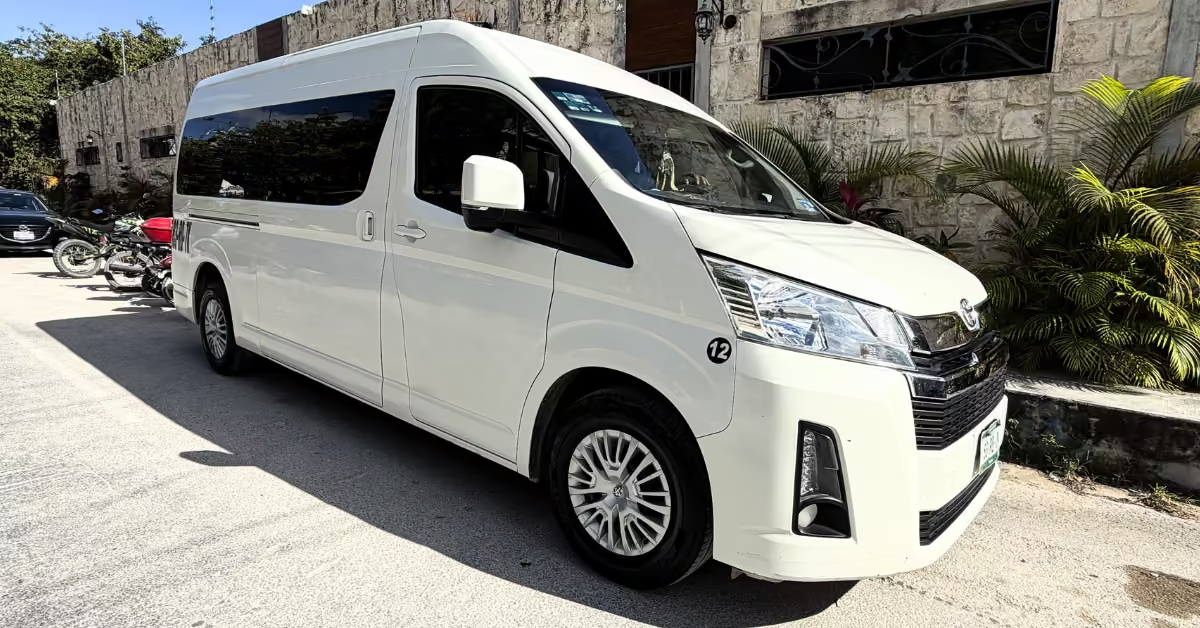 Door-to-Door Beats the Terminal Love the bus price but not the last-mile taxi and luggage juggling? A private driver takes you straight from Cancun to your Tulum hotel. Book an Airport Shuttle
 More in Getting to Tulum

Cancun to Tulum by Helicopter
The Cancun to Tulum helicopter transfer: flight time, cost, what you see from the air, and whether it beats two hours on the highway.

Driving to Tulum: Routes and Tips
Driving to Tulum from Cancun Airport and beyond: the route, road conditions, and what to know before you get behind the wheel in Mexico.

Private Limo to Tulum
Private limo and Sprinter transfers from Cancun or Tulum Airport: prices, what the ride includes, and when a regular shuttle is smarter.
Plan Your Tulum Days with Us
Tours, transfers and extras for your villa, plus restaurant and beach club reservations at the venue’s own prices. Tell us your dates and we’ll set it up.
 Messages