
Jet Ski near Tulum: Where to Ride
Jet ski near Tulum: why rentals are not in Tulum itself, the closest rides in Akumal and Playa del Carmen, prices, and the boat-day alternative.
Share:
Tulum is a year-round destination, but the season you pick shapes the whole trip, from the weather and the prices to how crowded the beach feels. The honest answer is that there is no single best time, only the best time for your priorities, and a few windows most travelers are happier avoiding. Here is the full year, the good and the bad, so you can pick the dates that fit.
Tulum has two main seasons, with a couple of sweet spots in between:
Dry season (November to April): the best weather, with sunny skies and lower humidity, but also the biggest crowds and the highest prices.
Rainy season (June to October): hotter and more humid with short showers, but far quieter and noticeably cheaper.
Shoulder months (May and early November): the in-between windows that balance decent weather, thinner crowds, and better value.
Come in the dry season, November through April. Expect daytime highs around 25 to 30°C (77 to 86°F), minimal rain, plenty of sunshine, and comfortable evenings. It is perfect weather for the ruins, the cenotes, and long beach days. The trade-off is that this is peak season, so accommodations and tours cost more and book out early, especially around Christmas, New Year, and Easter.
Aim for the shoulder months. May brings warm, mostly dry weather as the crowds taper off after Easter, and late October into early November is lovely too, just after the rains, with lush landscapes and quiet beaches. These windows give you most of the good weather with far more breathing room.
Budget travelers should look at the rainy season, June to October, when hotels discount their rates and flights run cheaper. Most rainy days still see hours of sunshine between short showers. This is also the cheapest stretch of the year, so if price is the priority, this is your window, with the trade-offs covered honestly below.
Nature adds its own calendar. Sea turtles nest on the region’s beaches from May to October, and nearby Akumal lets you swim with turtles year-round. The famous whale sharks gather off the Yucatan coast roughly June through September, which is the window to add that once-in-a-lifetime trip. If wildlife is your priority, the summer months earn back some of their downsides.
Now for the honest flip side. A few windows come with real drawbacks, and it is better to know them up front.
Hurricane and heavy-rain season (June to November, peaking August to October): direct hurricanes are rare, but heavy downpours can briefly flood streets, the heat and humidity can feel oppressive, and outdoor tours or beach days occasionally get cancelled. Most days still see only short showers, but plans need flexibility.
Peak sargassum season (roughly May to October, often heaviest in summer): the brown seaweed can pile up on the beaches, affecting how the sand looks and smells. It is unpredictable, varying by year and by beach, and it never touches the cenotes, pools, or the rest of your trip, but if pristine sand is the point of your vacation, this is the window to be careful with.
The holiday and spring-break peaks (Christmas, New Year, Easter, and the December to April high season): glorious weather, but the highest prices, the busiest beaches and restaurants, and the most booked-out hotels and tours. Come prepared and reserve far ahead, or pick another window.
If pristine beaches are essential, steer clear of peak sargassum summer. If you dislike heat and the chance of a washout, skip the deep rainy season. If you want space and value, avoid the holiday peaks. For many travelers the shoulder months remain the smart compromise.
For most travelers, 4 to 5 days is the sweet spot: enough for the beach, a cenote day, the ruins, a day trip, and some genuine downtime. A long weekend covers the highlights at a fast pace, while a week or more lets you settle into Tulum’s slow rhythm and explore the wider region, from Bacalar to Chichen Itza. When in doubt, add a day; almost no one leaves Tulum wishing they had stayed less.
For picture-perfect weather and full energy, December to April, booked early. For the smart balance, May or early November. For the lowest prices and quiet beaches, June to October, with flexible plans and an eye on the beach reports.

Jet ski near Tulum: why rentals are not in Tulum itself, the closest rides in Akumal and Playa del Carmen, prices, and the boat-day alternative.


Parking in Tulum explained: where to park downtown and at the beach, typical fees, the hotel zone squeeze, and how to avoid tickets and towing.

The closest airport to Tulum compared: Tulum (TQO) versus Cancun (CUN), flight options, transfer times, and the simple rule for picking the right one.
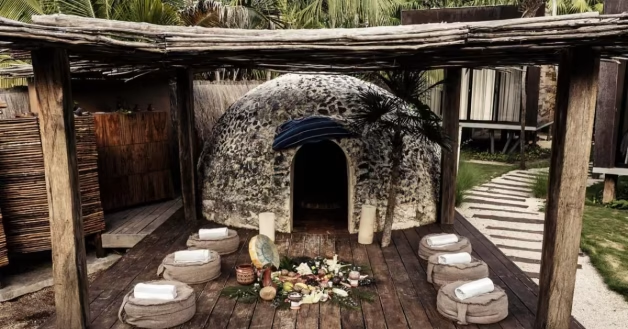
Temazcal ceremonies in Tulum: what the ancient Mayan sweat lodge ritual is really like, stage by stage, where ceremonies run, and how to prepare.
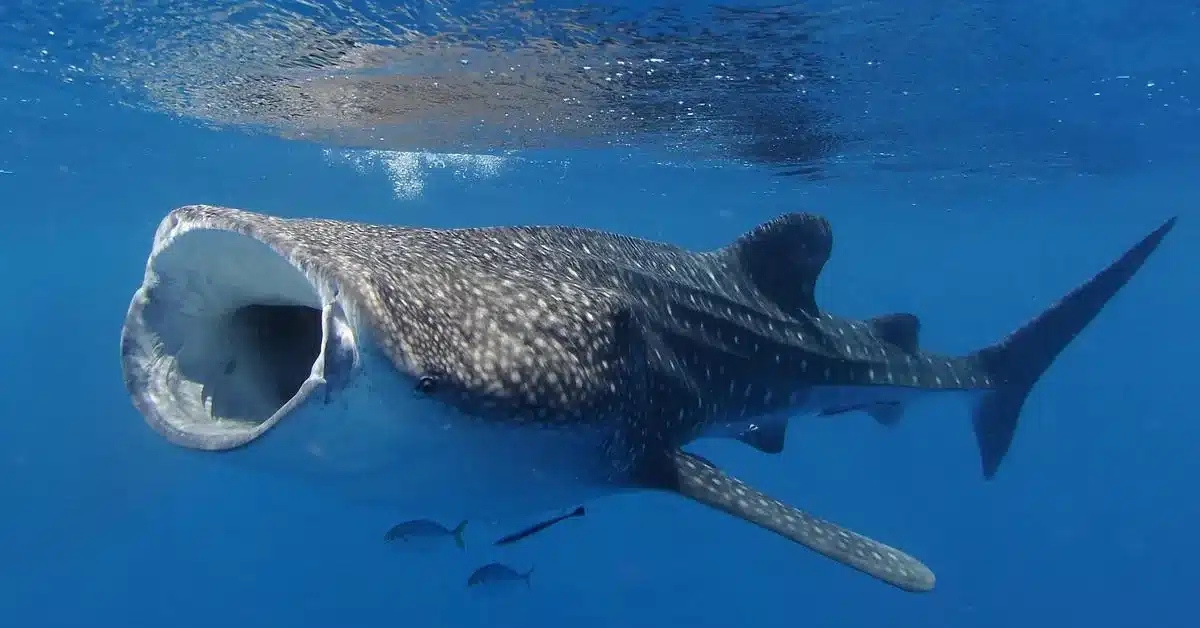
Swimming with whale sharks from Tulum: the June to September season, where the boats really depart, what the long day involves, and if it is worth it.
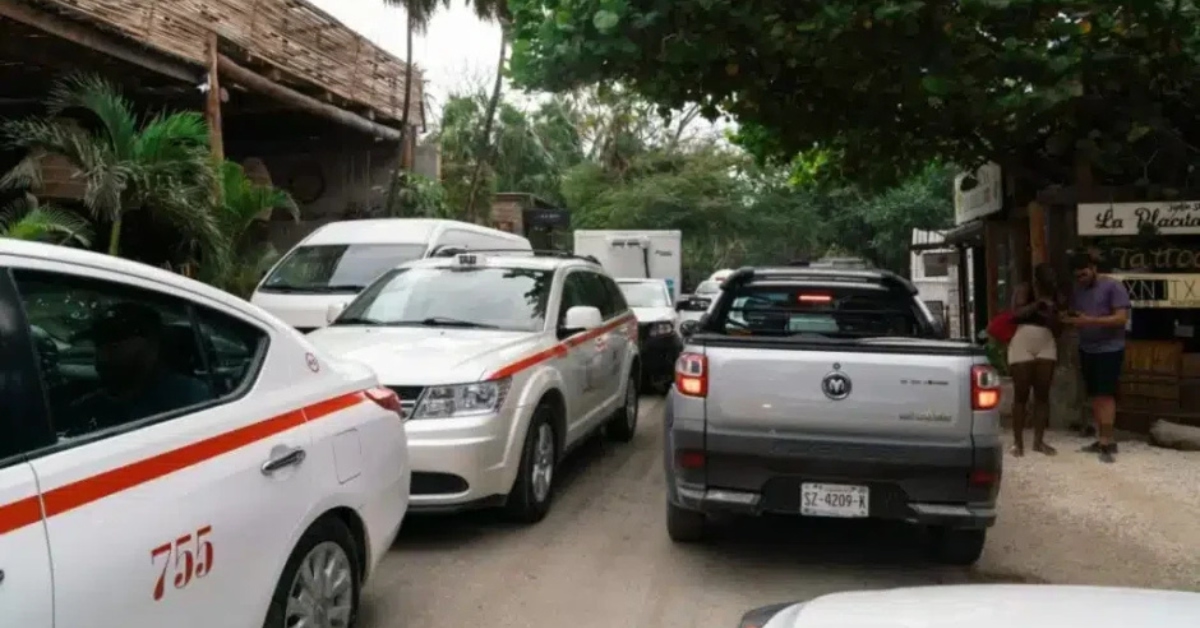
What driving in Tulum is really like: road conditions, topes, checkpoints, speed limits, night driving, and when it is smarter to let someone else drive.
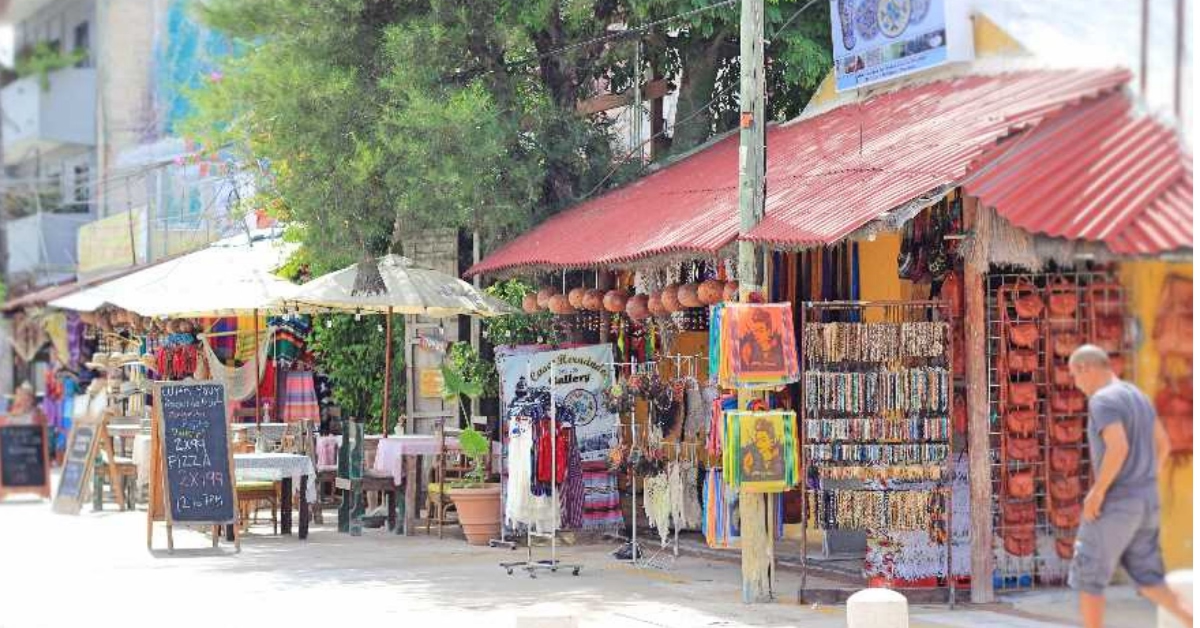
Downtown Tulum explained: the real, lively heart of town with the best-value stays, local food, and nightlife, plus what to expect before booking here.