Horseback Riding near Tulum
Horseback riding near Tulum: ethical jungle rides on rescue horses at Rancho Baaxal and ride-plus-cenote combos at Rancho Bonanza, with practical tips.

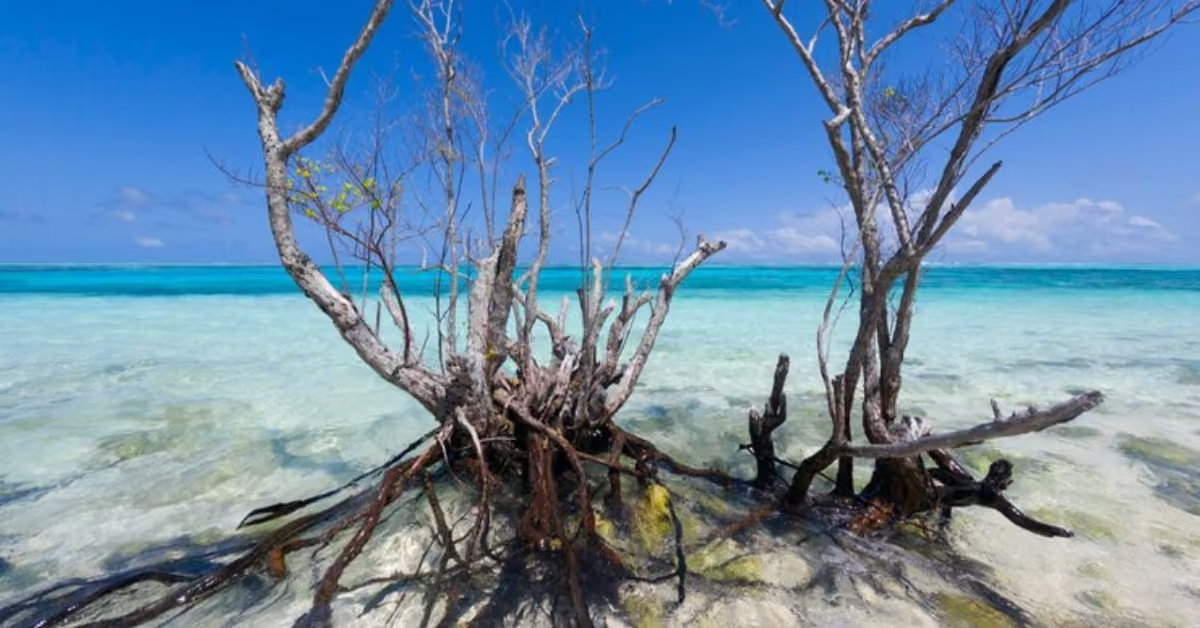
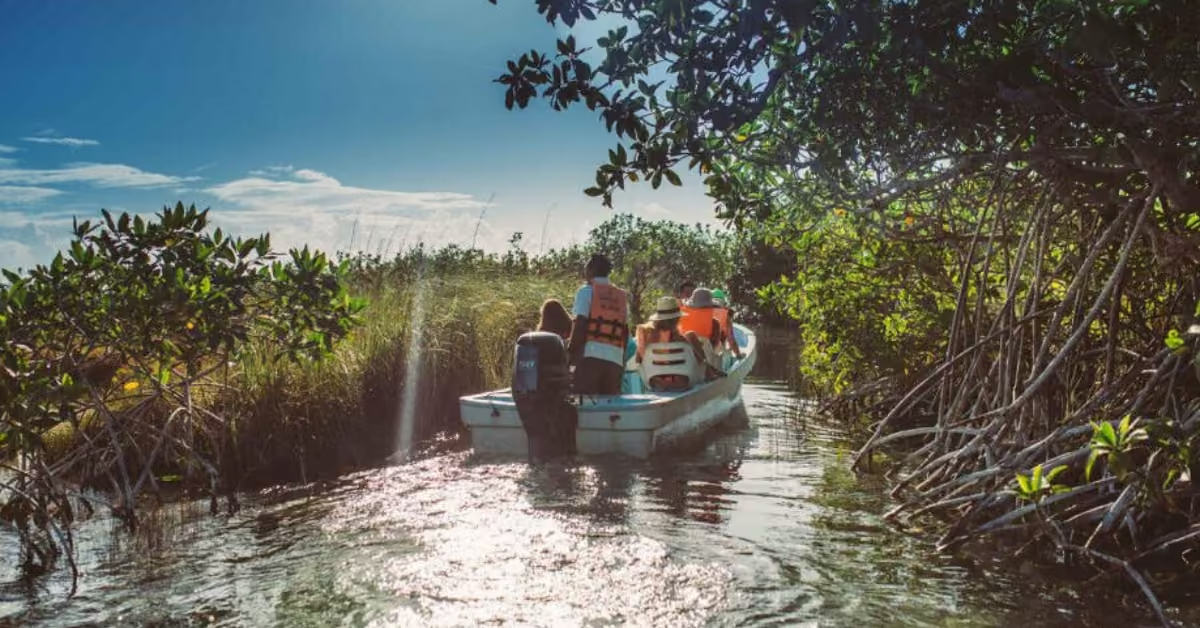

Horseback riding near Tulum: ethical jungle rides on rescue horses at Rancho Baaxal and ride-plus-cenote combos at Rancho Bonanza, with practical tips.
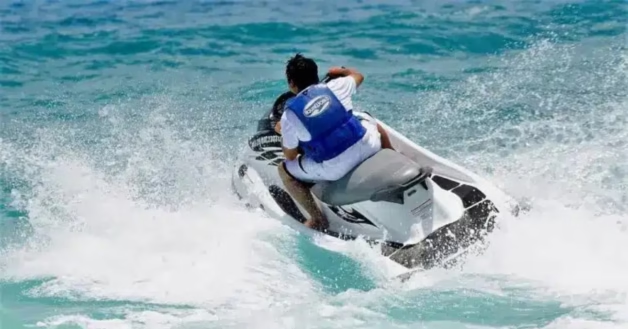
Jet ski near Tulum: why rentals are not in Tulum itself, the closest rides in Akumal and Playa del Carmen, prices, and the boat-day alternative.

The festivals worth planning a Tulum trip around: Zamna and Day Zero in the January jungle, plus the region’s turtle, Maya, and film festivals.
Is Tulum safe? An honest local answer, with the real risks, the areas and hours that deserve caution, and practical safety tips that actually matter.
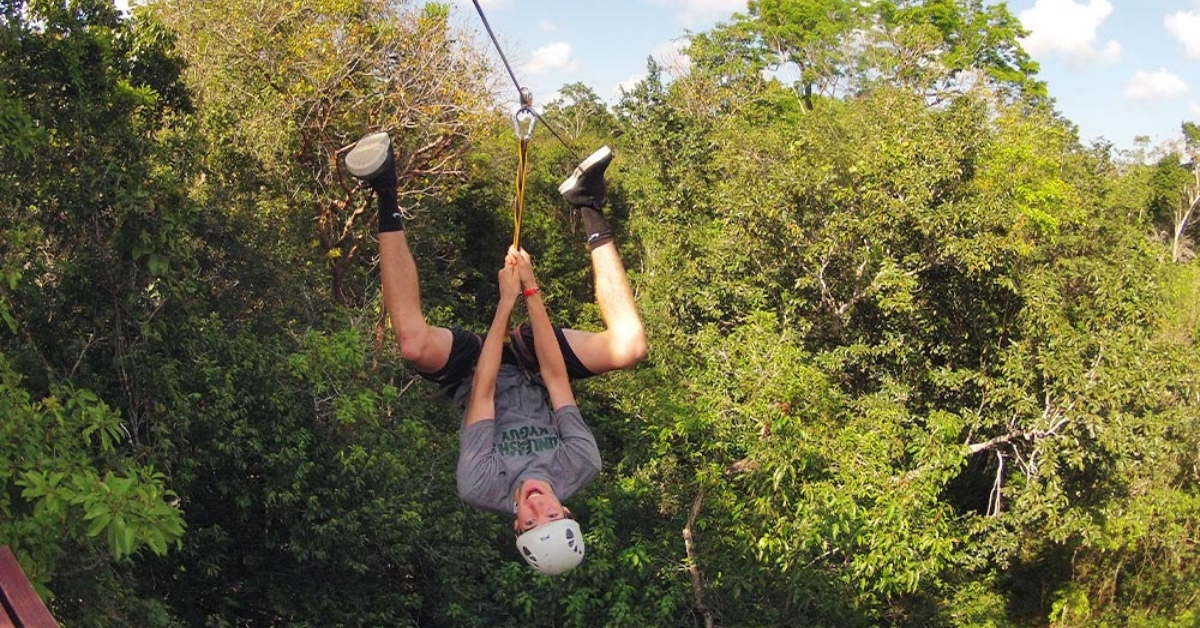
Ziplining in Tulum: Xplor’s massive circuits, Selva Maya’s jungle lines, and ruins tours with a zipline finale, plus what to wear for the splashdowns.

Salsa classes in Tulum for every level: The Room academy, Palma Central’s Tuesday socials, and sunset classes at Lula, no partner or experience needed.
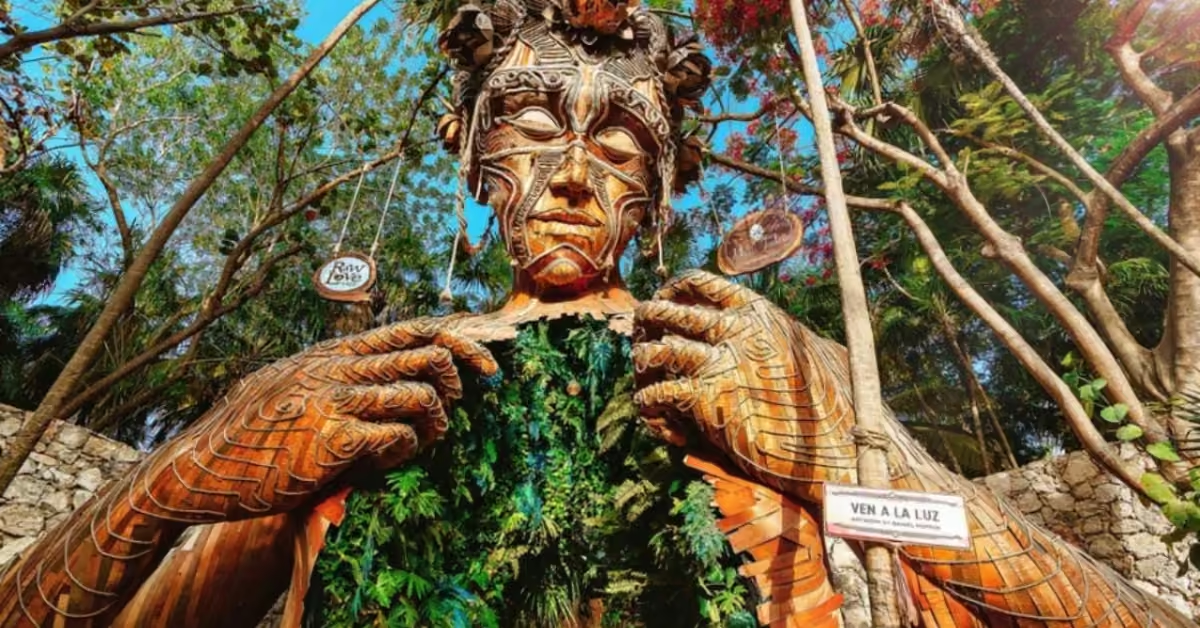
The Tulum Hotel Zone explained: the famous beach road of boutique hotels, clubs, and jungle dining, with honest notes on prices, access, and noise.