
Food Delivery in Tulum: What Works
Food delivery in Tulum: which apps actually work, from Uber Eats to Tomato and WhatsApp orders, plus tips, and alternative options.
Share:
Tulum has a reputation for being pricey, and on the beach it absolutely can be. But it is also a place where you can travel comfortably on a modest budget if you make smart choices. The honest answer is that Tulum is as expensive as you let it be. Here is a realistic, category-by-category breakdown so you can budget your trip properly.
Budget: hostel dorms and basic guesthouses run around 15 to 30 USD per night.
Mid-range: boutique hotels and apartment rentals typically cost 75 to 125 USD per night.
Luxury: high-end resorts and beachfront villas start around 300 USD per person per night and climb well past it.
Where you stay matters as much as the class of place: the same money goes much further in town than on the beach road.
Budget: street food and local eateries serve great meals for roughly 5 to 10 USD.
Mid-range: trendy town restaurants run about 20 to 50 USD per meal.
Upscale: dinner at the famous Hotel Zone restaurants starts around 60 USD per person and rises quickly with drinks.
A coffee runs around 3 to 5 USD, and a cocktail on the beach road often costs what a whole local lunch does in town.
Bike rental: about 10 USD per day, the cheapest way around town.
Taxis: short hops within the center run a few dollars, Aldea Zama trips around 10 to 15 USD, and rides to or from the Hotel Zone roughly 30 to 50 USD.
Colectivos: the shared vans along the highway cost just a few dollars per ride, great for cenotes and Playa del Carmen.
Private driver: starting around 35 USD per hour, with better rates for full-day bookings, and the most comfortable way to string several stops together.
Tulum Ruins: entry for foreign visitors now runs roughly 500 to 600 pesos (around 25 to 30 USD) since fees were raised, worth knowing since old guides still quote a fraction of that.
Cenotes: entry fees vary a lot, from around 150 pesos at simple local spots to 500 pesos at the famous ones, cash only at most.
Beaches: public access points are free, while beach clubs typically work with entry fees or minimum spends from about 50 USD per person.
Guided tours: quality small-group tours to cenotes, ruins, or snorkeling start around 80 USD per person, with private options above that.
Budget travelers (roughly 50 to 80 USD per day): a hostel or guesthouse, local food, a bike, and independent cenote or ruins visits.
Mid-range travelers (roughly 150 to 200 USD per day): a boutique hotel, a mix of local and nicer restaurants, taxis or a scooter, and a tour or beach club day.
Luxury travelers (300 USD per day and up): beachfront stays, fine dining, private transport, and private guided experiences.
Budget traveler: about 120 USD on accommodation, 75 on food, 30 on transport, and 30 on activities, so roughly 255 USD total.
Mid-range traveler: about 250 USD on accommodation, 150 on food, 60 on transport, and 90 on activities, so roughly 550 USD total.
Luxury traveler: about 1,500 USD on accommodation, 450 on food, 250 on transport, and 250 on activities, so roughly 2,450 USD total.
Treat these as ballparks, since season and style swing everything, but they show honestly how the same three days can cost ten times more depending on your choices.
A few things surprise visitors. Card payments often carry a 5 percent fee or more, the beach road is expensive for everything including bottled water, taxis add up fast without fixed prices, and the Visitax tourist tax adds about 25 USD per person. Build these into your budget and there will be no nasty surprises.
Stay in town, in Downtown, La Veleta, or Tumben Kaa, for far better value than the beach. Eat where the locals eat, use a bike, scooter, or colectivos for cheap transport, and shop at the supermarkets rather than the beach road. Then save the splurges, a beach club day, a standout dinner, a special tour, for the moments that matter most to you.

Food delivery in Tulum: which apps actually work, from Uber Eats to Tomato and WhatsApp orders, plus tips, and alternative options.


Getting a massage in Tulum: beachfront tables, jungle spas, in-villa therapists, and the Mayan styles you can only get here, with honest guidance.

Visiting Sian Ka’an from Tulum: boat tours, the floating Mayan canals, Muyil ruins, and wildlife, plus which entrance saves you the rough beach road.
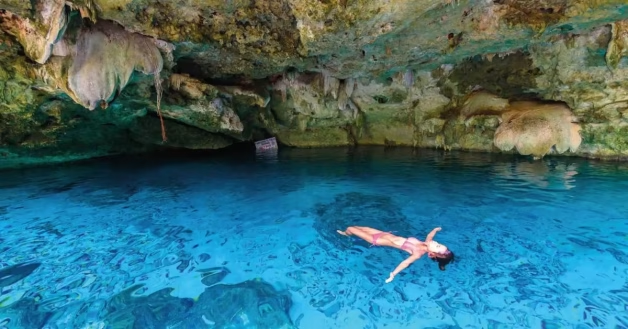
Cenote Dos Ojos near Tulum: the two-eyed cavern system famous for snorkeling and diving, with entry prices, what to expect, and the best time to go.
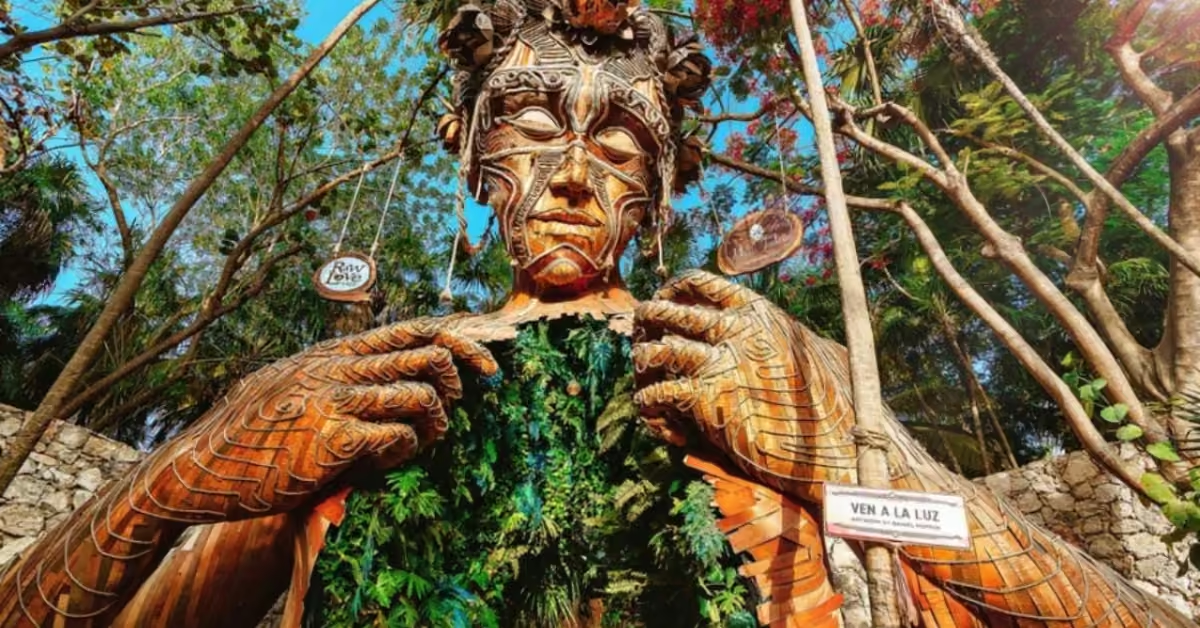
The best time to visit Tulum by weather, crowds, prices, and sargassum, plus the months to avoid and the sweet spots most visitors miss. Honest and local.

Tulum trip planning made simple: how long to stay, what to book ahead, budgeting, and the order to plan things in for a smooth vacation.
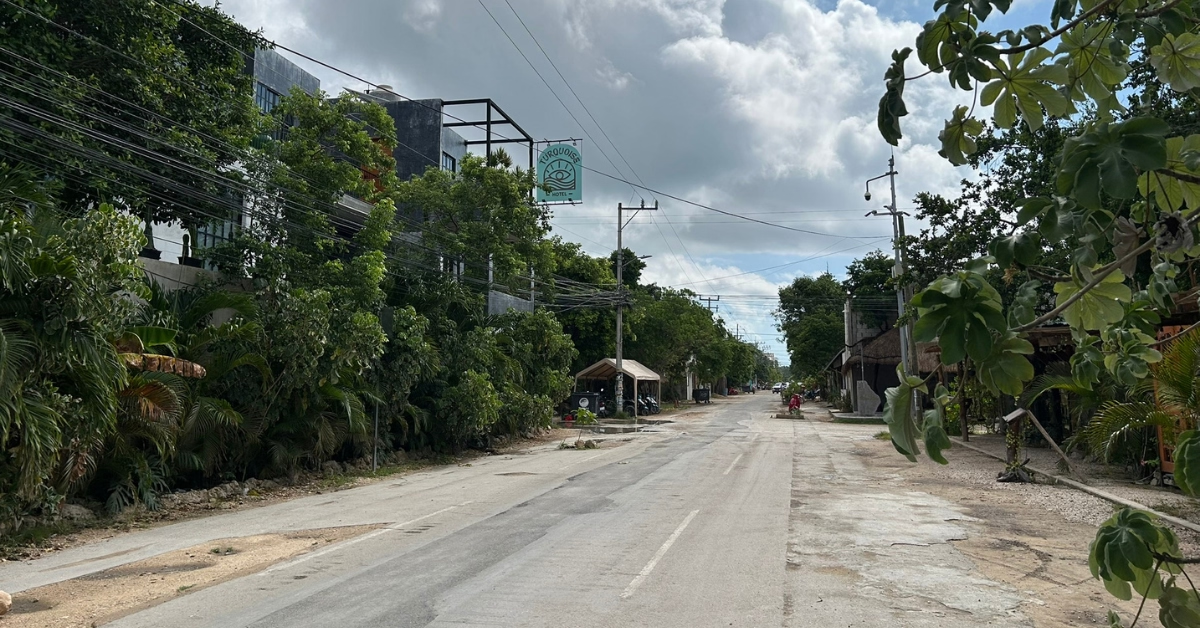
La Veleta in Tulum: the cool, fast-growing neighborhood of cafes, food parks, and calm streets, with what to expect and who should stay here.