Driving in Tulum: What to Know
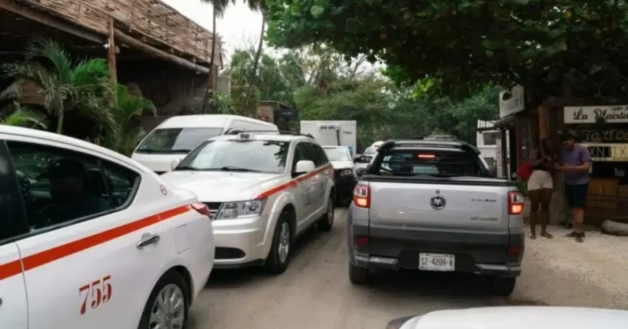
What driving in Tulum is really like: road conditions, topes, checkpoints, speed limits, night driving, and when it is smarter to let someone else drive.
Divers travel across the world for Tulum, and for one reason above all: this is the cenote diving capital of the planet. Add the Mesoamerican Reef a short boat ride away and you get a destination where you can drift past coral and rays one morning and hover through a sunlit cavern the next. Here is how diving works here, whether you are certified, curious, or somewhere in between.
The Yucatan’s flooded cave systems, among the longest on earth, surface in the cenotes, and diving them is unlike anything in the ocean: gin-clear fresh water, dramatic light beams, stalactites, and haloclines where fresh and salt water meet in a shimmering blur.
The famous names deliver: Cenote Dos Ojos with its two connected caverns and legendary visibility, Gran Cenote‘s bright accessible caverns, Cenote Calavera‘s atmospheric “Temple of Doom” chamber, Casa Cenote’s mangrove-lined channel, and The Pit, a 40-meter shaft where morning light beams pierce a hydrogen sulfide cloud, one of the world’s great dive sights.
The good news for regular divers: cavern dives stay within the light zone and natural exits, so an Open Water certification with a specialized cenote guide is enough for most sites. Full cave diving, penetrating beyond daylight, is a different discipline requiring serious technical training. Reputable shops draw that line firmly; be wary of anyone who does not.
The ocean side holds its own: the Mesoamerican Reef in front of Tulum offers relaxed drift dives over coral gardens with turtles, rays, moray eels, and nurse sharks, most sites in the 10 to 25 meter range and suitable for newer divers. Boats leave from the beach, and two-tank morning trips are the standard formula.
Tulum is a superb, if busy, place to get certified. Dive shops in town run everything from Discover Scuba intro days (no certification needed, pool-style cenote or shallow reef) to Open Water courses over three to four days, and specialty cavern courses for those bitten by the cenote bug. Choose shops by safety culture and group size, not price.

What driving in Tulum is really like: road conditions, topes, checkpoints, speed limits, night driving, and when it is smarter to let someone else drive.

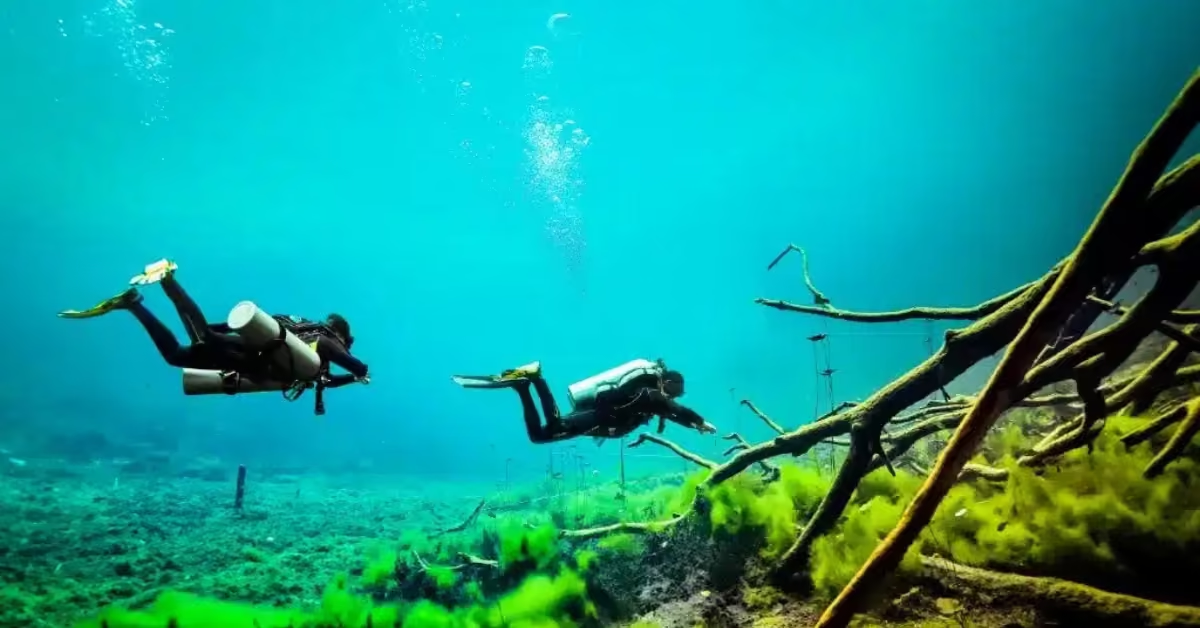
The best healthy restaurants in Tulum: smoothie bowls, raw and vegan kitchens, and organic menus in town and on the beach road, breakfast to dinner.
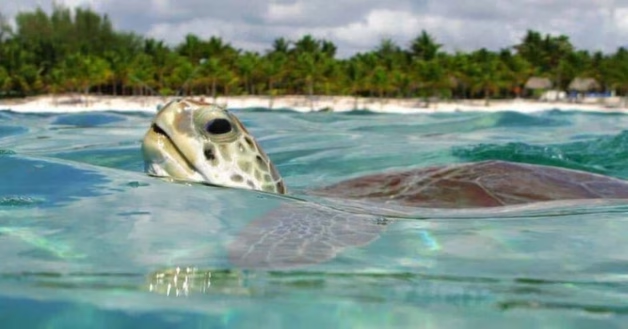
Where to swim with turtles near Tulum: Akumal Bay’s guided snorkel, the Xcacel sanctuary, nesting season, and the rules that keep the turtles thriving.
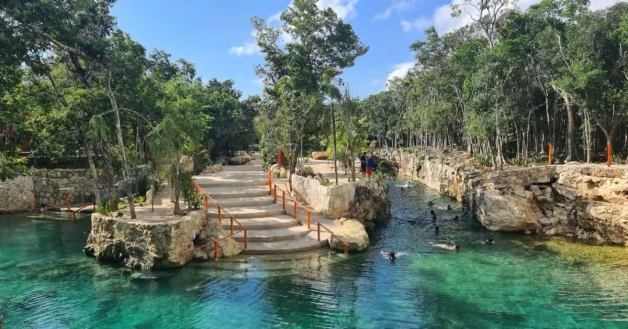
Cenote Casa Tortuga near Tulum: a guided park of four different cenotes in one visit, with prices, what the tour includes, and who it suits best.
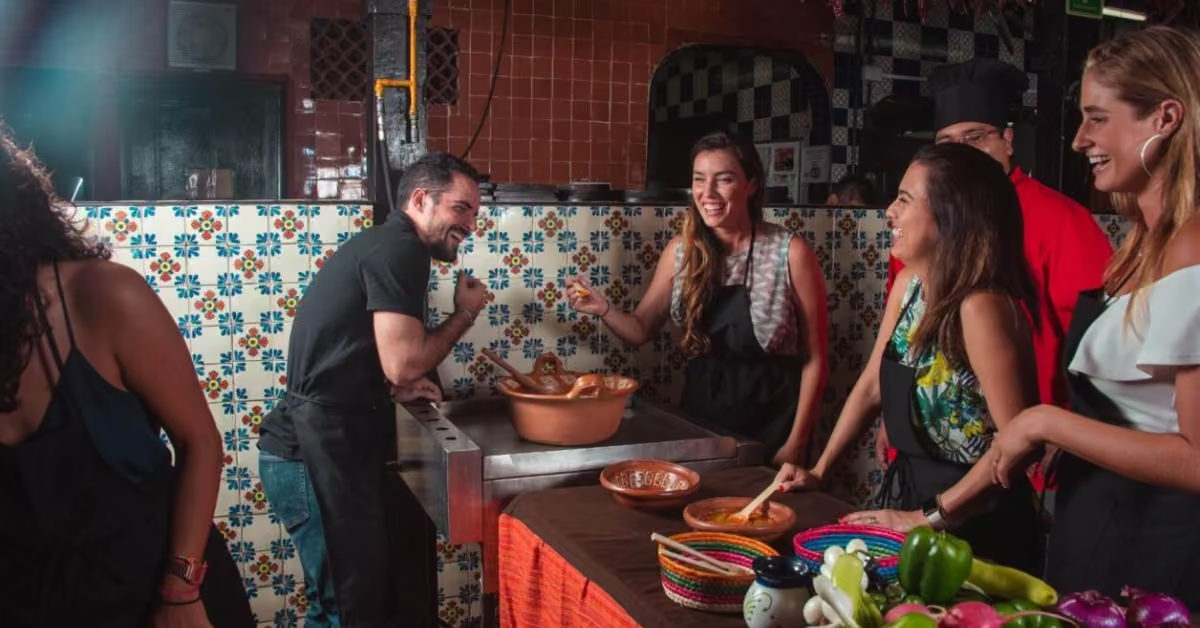
Cooking classes in Tulum: hands-on tortillas, salsas, and tamales with local cooks at Rivera’s Kitchen and Lina’s, ending in a feast you made yourself.
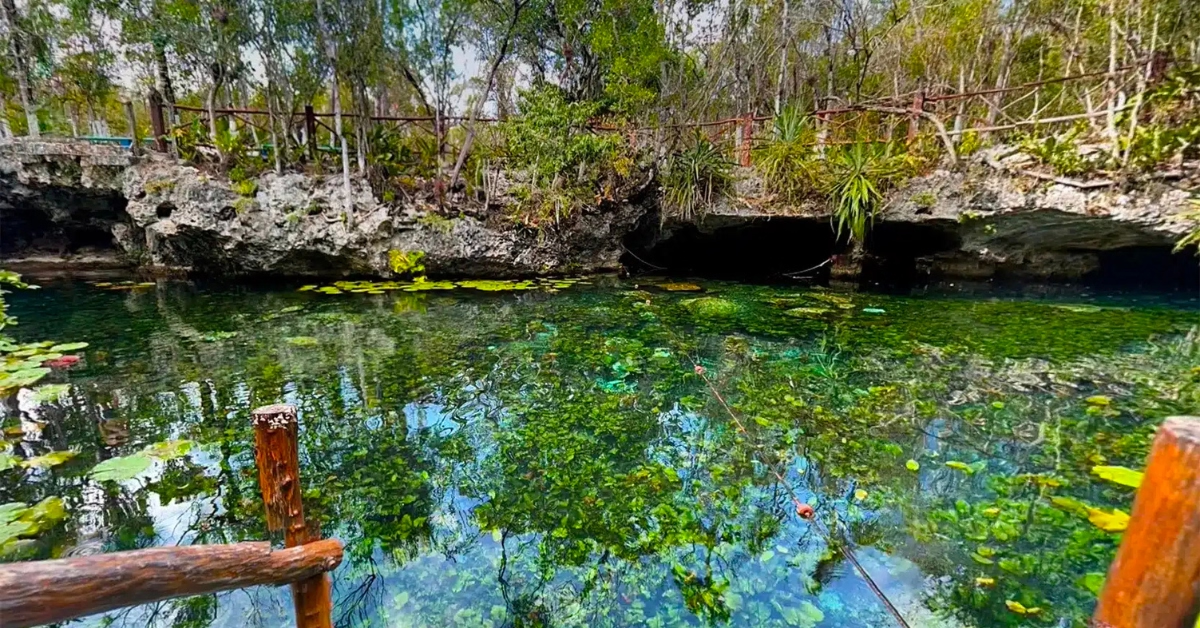
Cenote Nicte-Ha near Tulum: a quiet, semi-open cenote of crystal water and lily pads, loved by photographers, with entry prices and visiting tips.
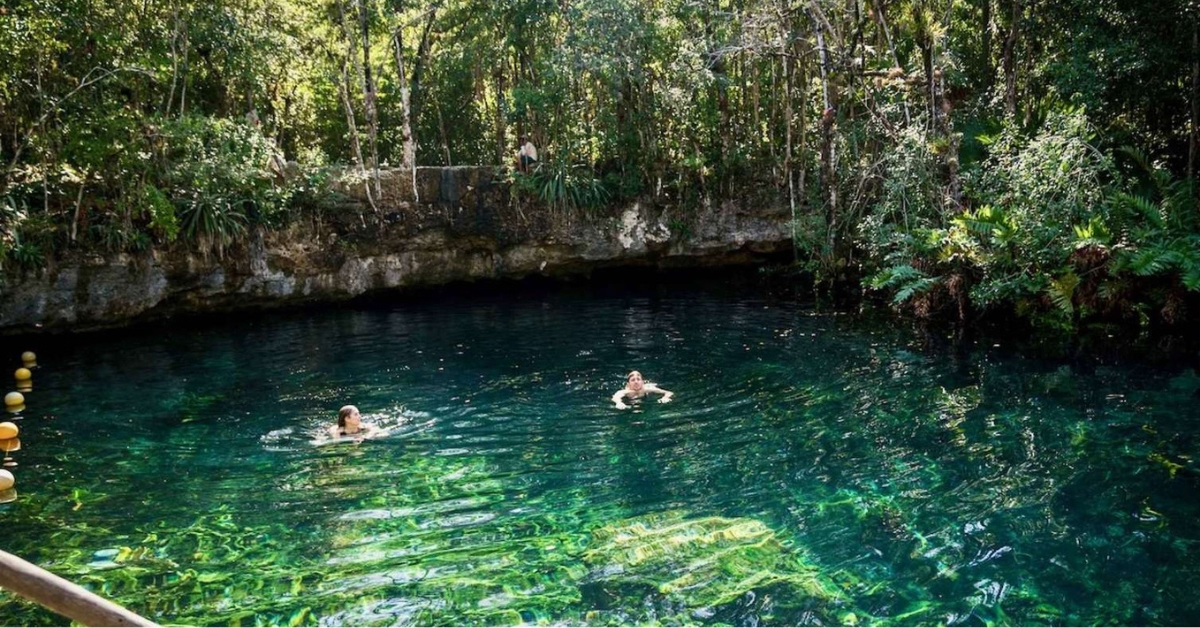
Cenote Tankah near Tulum: a serene, crystal-clear cenote in the Riviera Maya jungle, with entry info, facilities, and who this quiet spot suits best.