Driving in Tulum: What to Know
What driving in Tulum is really like: road conditions, topes, checkpoints, speed limits, night driving, and when it is smarter to let someone else drive.
Share:
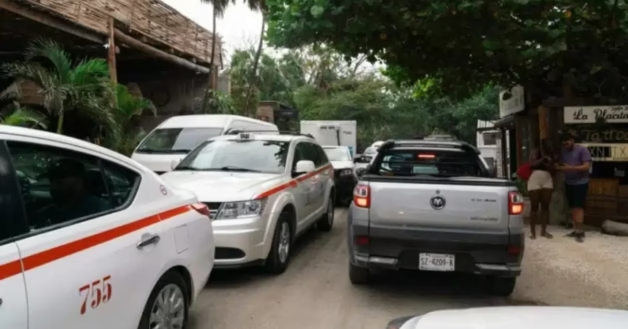
Taxis are everywhere in Tulum, and for many trips they are the quickest way to get around. They are also one of the most misunderstood parts of a Tulum trip, because there are no meters, no fixed rates, and prices depend a lot on where you are, what time it is, and how comfortable you are negotiating.
The short answer: Uber and DiDi do not work for local trips here, but two other apps do, inDrive and Eiby.
Uber and DiDi: even though ride-hailing is legally approved in the state of Quintana Roo, the local taxi union has kept Uber and DiDi from operating within Tulum and at the Tulum airport. You cannot order a ride with them around town.
inDrive: this one works well in Tulum. You name the price you want to pay, and drivers accept or send a counter offer, so you stay in control of the fare. It is generally reliable, though at busy times you may need to nudge your offer up a little to get picked up quickly.
Eiby: a local app with fixed, transparent prices, and you can see the driver’s license plate before they arrive. It is often the cheapest option when a car is available, though drivers can be scarce at peak times.
One local quirk is worth knowing. Both apps work well for getting to the hotel zone, but not for getting back out of it. Because the taxi union controls the beach road, app drivers rarely dare to pick up passengers there. So you can take inDrive or Eiby out to the beach, but for the ride back plan on a street taxi.
For both apps, have cash in pesos ready, since that is the preferred way to pay. Used together, they are usually cheaper and far less stressful than haggling with a street taxi.
Because there are no meters, fares are set by agreement, not by distance. The numbers below are the kind of prices drivers will generally accept, so you have a fair reference point before you get in. Treat them as approximate, since they shift with demand, time of day, and season.
Within Centro or La Veleta: short trips around the town center usually run a few dollars, roughly 80 to 150 pesos.
From Centro or La Veleta to Aldea Zama: expect somewhere around 200 to 300 pesos.
To or from the Hotel Zone (the beach road): this is the priciest stretch, often around 500 to 700 pesos, and more at night.
To or from more remote areas: places like Region 15, with its dirt roads, vary a lot but tend to start around 250 pesos.
Fares can climb by 50 percent or more late at night, during big holidays like New Year, and whenever demand spikes. One important honest note: if you do not agree on a price first, almost any number is possible. Tourists are sometimes charged far more than the rates above, especially late at night near the clubs. So always confirm the fare before you get in.
There is no central phone line or official taxi-dispatch app in Tulum, which surprises a lot of visitors. The ride apps inDrive and Eiby (covered above) are one option. Beyond those, here are reliable ways to get a regular taxi:
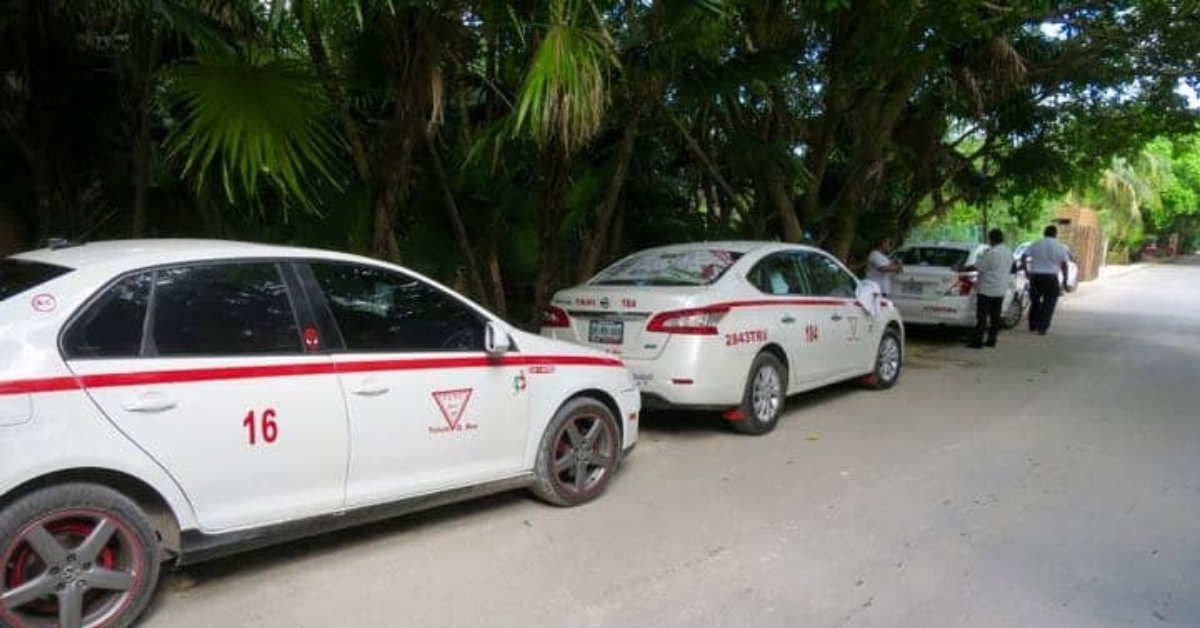
Taxi stands here are informal. They are not official stations, just spots where drivers tend to wait, so do not expect a marked rank like back home.

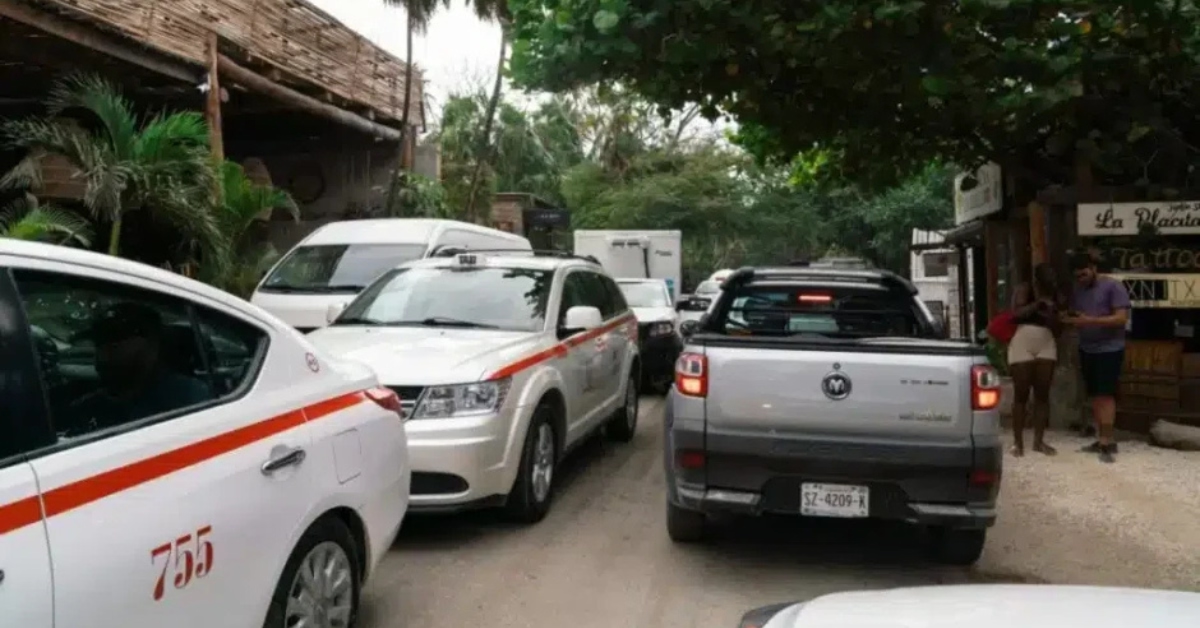
What driving in Tulum is really like: road conditions, topes, checkpoints, speed limits, night driving, and when it is smarter to let someone else drive.

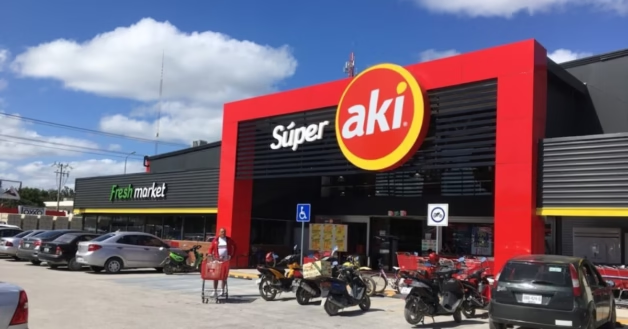
Grocery shopping in Tulum: the best supermarkets from Chedraui to La Comer, alcohol purchase hours, and why stocking up on the way from the airport pays off.

Cenote Sac Actun: guided float through part of the world’s longest underwater cave system north of Tulum, with prices, logistics, and what to expect.

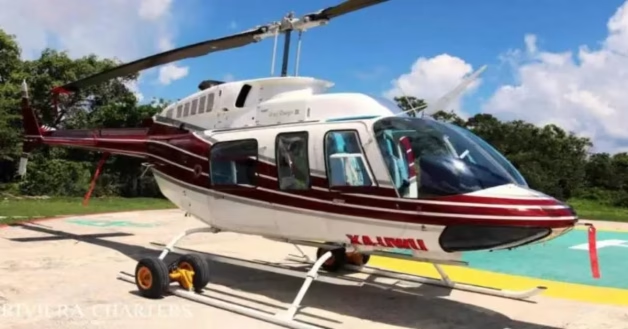
The Cancun to Tulum helicopter transfer: flight time, what it costs, what you see from the air, and whether the splurge beats two hours on the highway.

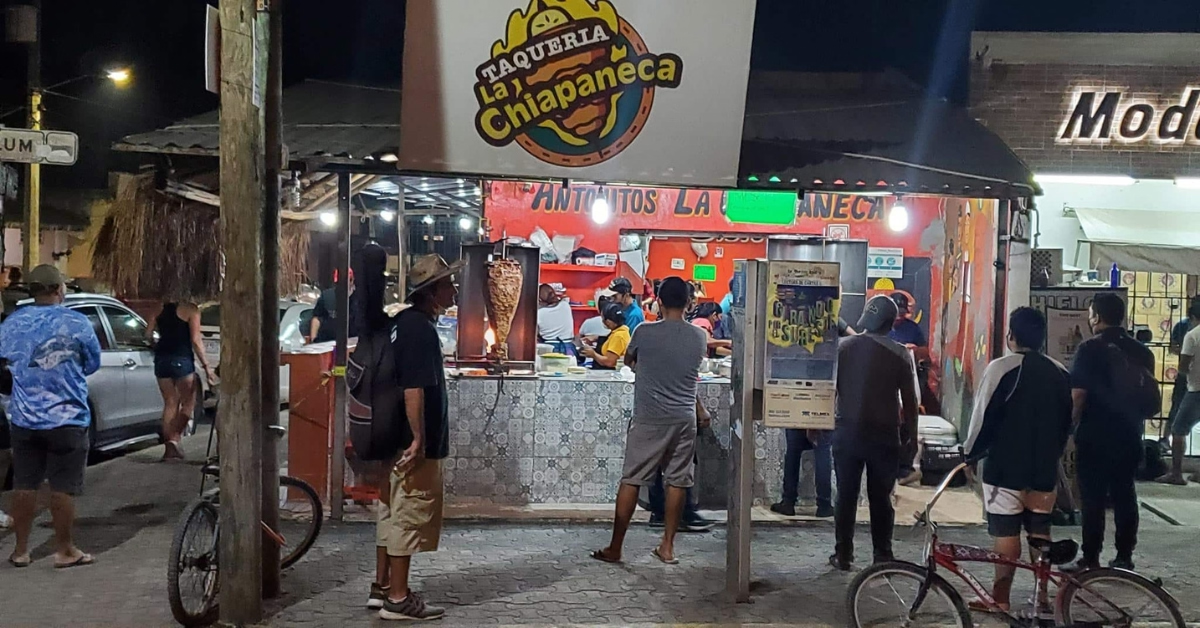
Where Tulum locals actually eat: the best tacos, burritos, beach-shack seafood, and food parks, mostly cash only and easy on the wallet.

What driving in Tulum is really like: road conditions, topes, checkpoints, speed limits, night driving, and when it is smarter to let someone else drive.

Cenote Atik near Tulum: a natural park where Mayan-inspired art installations meet jungle swimming, with entry prices and what makes it different.