
Scooter Rental in Tulum: Rates & Tips
Scooter rental in Tulum: daily rates, license and helmet rules, where scooters shine and where they get risky, plus tips for first-time riders.
Share:
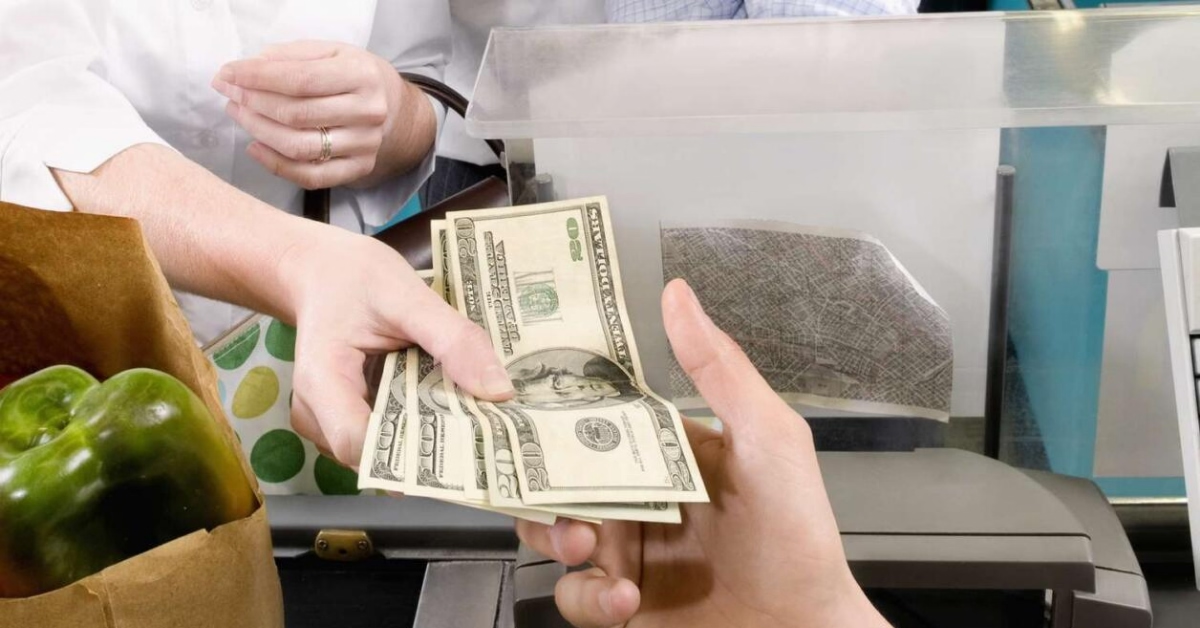
Sorting out money is one of those small things that makes a Tulum trip smoother. Between pesos and dollars, cash and cards, and the odd surprise fee, it helps to know the rules before you arrive. Here is the simple, local guide to paying in Tulum without losing money to bad rates.
The official currency is the Mexican peso, and pesos are what you want. Some places accept US dollars, but almost always at a poor exchange rate, so you lose money every time you pay that way. The same goes for cards: when a terminal asks whether to charge in pesos or your home currency, always choose pesos to avoid an inflated conversion rate.
The most cost-effective way to get pesos is from an ATM, which gives a far better rate than the currency exchange counters. A few pointers: withdraw a sensible amount at once to limit fees, favor ATMs attached to real banks over standalone machines, and tell your bank you are traveling so your card is not blocked. Decline the machine’s offer to convert to your home currency, and take the pesos.
If you would rather change cash than use an ATM, you will find plenty of currency exchange offices, the casas de cambio, around town. The good news is that you do not need to hunt for the best deal: nearly all of them in Tulum offer very similar rates, so the most convenient one is usually as good as any. The clear exception is the exchange counters at the airports, in both Tulum and Cancun, which give noticeably worse rates. Change only what you really need there to get going, and use an ATM or a town exchange office for the rest. Either way, an ATM withdrawal in pesos still tends to beat exchanging cash overall.
For all the card readers around, cash remains essential in Tulum. Local markets, street vendors, small eateries, many taxis, and some cenotes and beach spots are cash-only or strongly prefer it. Always carry enough pesos for the day in small bills, since change for large notes can be scarce. Keep the bulk of your cash in your accommodation’s safe and carry only what you need.
More businesses than ever take major credit and debit cards, which is handy for hotels, nicer restaurants, and supermarkets. Two things to expect: many places add a card surcharge of around 5 percent, and smaller venues may have patchy signal that knocks the reader offline. So even when you plan to pay by card, always have cash as a backup.
Use pesos, not dollars. Always choose pesos on a card terminal. Get cash from bank ATMs and decline their conversion. Carry small bills for daily spending, and keep cash as a backup for card outages. Follow those and you will get the best value with no awkward moments at the till.

Scooter rental in Tulum: daily rates, license and helmet rules, where scooters shine and where they get risky, plus tips for first-time riders.

A guide to Tulum’s weather: the dry and rainy seasons, year-round temperatures, humidity, hurricane and sargassum months, and the best time to visit.
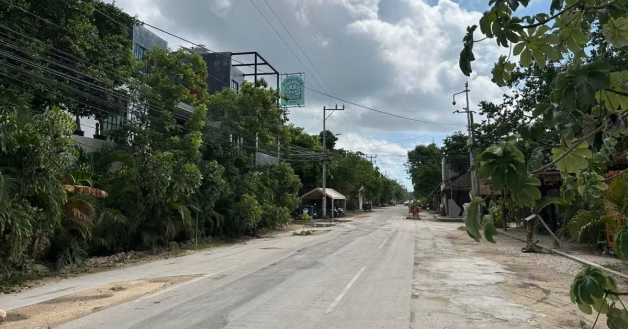
La Veleta in Tulum: the cool, fast-growing neighborhood of cafes, food parks, and calm streets, with what to expect and who should stay here.
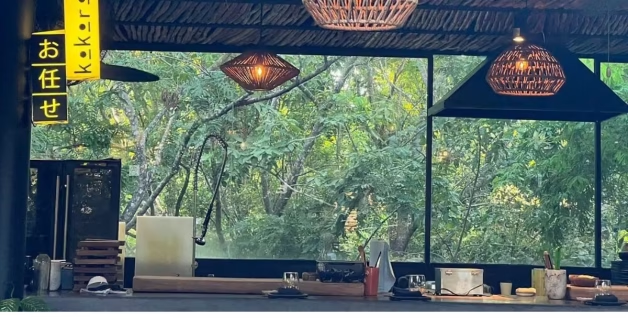
Fine dining in Tulum: Michelin-listed Hartwood, Arca, intimate omakase counters, and candlelit jungle dining rooms, with booking and price advice.

Riding an ATV in Tulum: rental prices, the jungle routes worth taking, park options like Xplor and Selva Maya, and the safety basics before you ride.
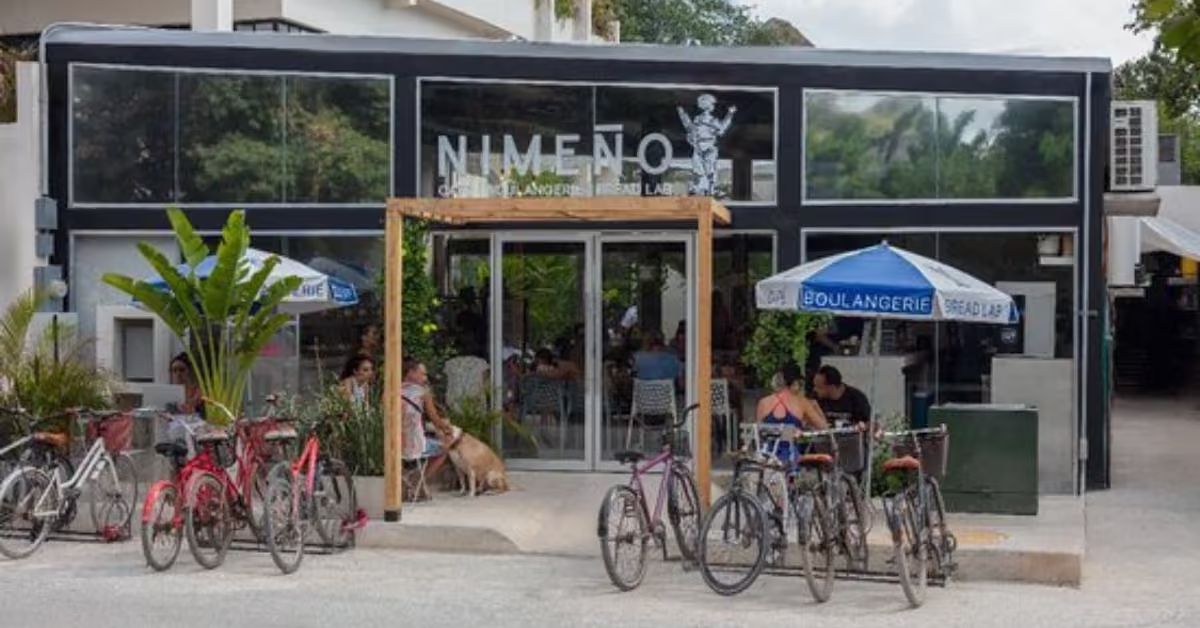
The best coffee shops in Tulum: Nimeno’s breakfasts, Campanella’s gelato and espresso, and laptop-friendly Rossina, all with multiple locations in town.

Planning a Tulum bachelorette: villas and hotels for groups, beach clubs, boat days, dinners worth dressing up for, and a ready-made itinerary.