Aldea Zama, Tulum: Area Guide
Aldea Zama in Tulum: the polished, planned community between town and beach, with its restaurants, cenote, and who this quiet, upscale area suits.
Between the beaches and the cenotes, Tulum hides a third kind of swim: the lagoons. These broad, calm bodies of turquoise water offer something neither the sea nor the sinkholes quite match, space to float, paddle, and unwind with the jungle at your back, and they stay reliably seaweed-free when the beaches are not at their best.
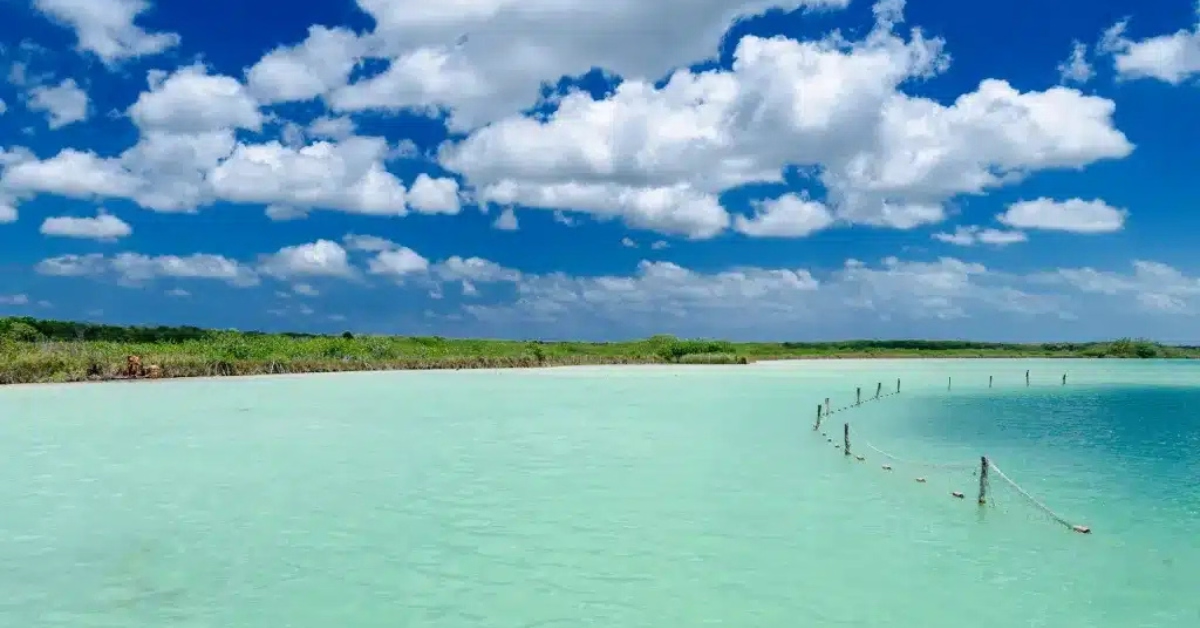
The star is Laguna Kaan Luum, often called the Tulum Blue Lagoon: a wide ring of warm, waist-deep turquoise water around a deep, dark cenote at its center. The shallow rim is perfect for hours of easy floating, the wooden pier gives the classic photo, and the color has to be seen to be believed. The center cenote is roped off for safety, with the deep section reserved for certified divers. Facilities are simple but sufficient, entry is modest and cash only, and hammocks and palapas dot the shore.
Getting there is easy: take the highway south toward Felipe Carrillo Puerto for about 15 minutes, then follow the signed turnoff. A taxi, scooter, or driver all work well; arrange your return, as passing traffic is thin.
A little further down the same highway, about 20 minutes south of town near the Muyil turnoff and then a stretch of dirt road, Laguna Nopalitos is the active lagoon: flat, crystal-clear water in shades of mint and turquoise, ringed by jungle full of birdlife, and made for paddling. Access runs through the small lagoon clubs on its shore, where entry typically runs around 200 to 300 pesos and includes the fun. Neek Lagoon Club is the standout, with a floating wooden deck, hammocks suspended over the water, kayaks and paddleboards included with every entry, a casual kitchen and cocktail bar, and DJs on weekends at a sensible volume. Regular sunscreen is not allowed in the water, so bring the biodegradable kind.
The wild card of the three, and for many the most memorable: Punta Laguna sits about an hour inland, just past Coba, inside the Otoch Ma’ax Yetel Kooh reserve, protected and run by the local Maya community for generations. The forest here holds hundreds of spider monkeys and howler monkeys, and guided walks with local guides are the way to find them. The lagoon itself is broad and peaceful, crossed by canoe, and the reserve adds a zipline over the trees, a rappel into a cenote, and traditional Maya purification ceremonies for those who want the full visit. Entry runs around 200 pesos with guided tours from roughly 300 pesos more, open daily from 7 AM to 5 PM, and every peso supports the community that keeps this forest standing.
Kaan Luum is the effortless half-day: float, photograph, done. Nopalitos is the full lazy day with service, paddling between hammock sessions. Punta Laguna is the adventure morning, monkeys, canoes, and jungle, best paired with the Coba ruins next door. Three lagoons, three completely different days, all within reach of town.

Aldea Zama in Tulum: the polished, planned community between town and beach, with its restaurants, cenote, and who this quiet, upscale area suits.

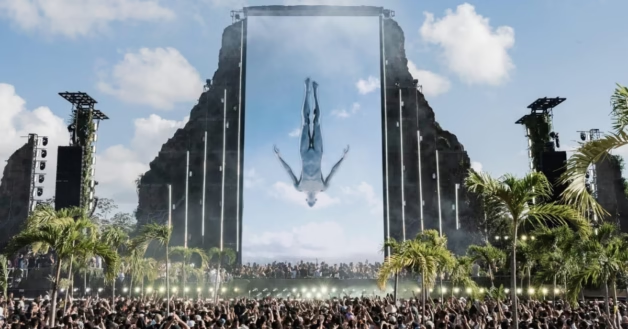
The festivals worth planning a Tulum trip around: Zamna and Day Zero in the January jungle, plus the region’s turtle, Maya, and film festivals.
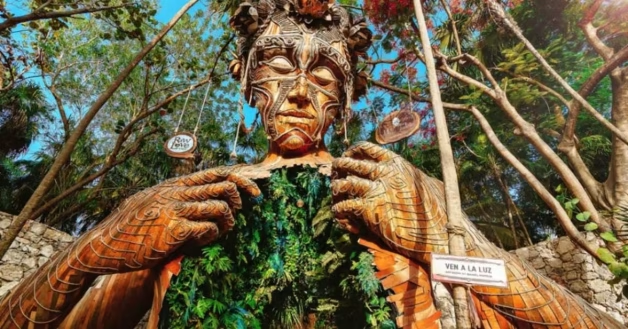
The Tulum Hotel Zone explained: the famous beach road of boutique hotels, clubs, and jungle dining, with honest notes on prices, access, and noise.
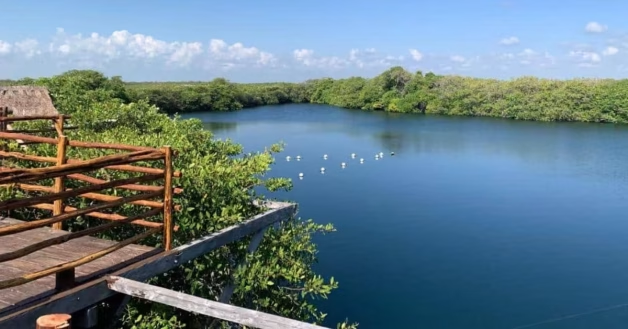
Cenote Encantado in Tulum: a peaceful open-air cenote among the mangroves near the hotel zone, with entry info and why paddlers and birders love it.
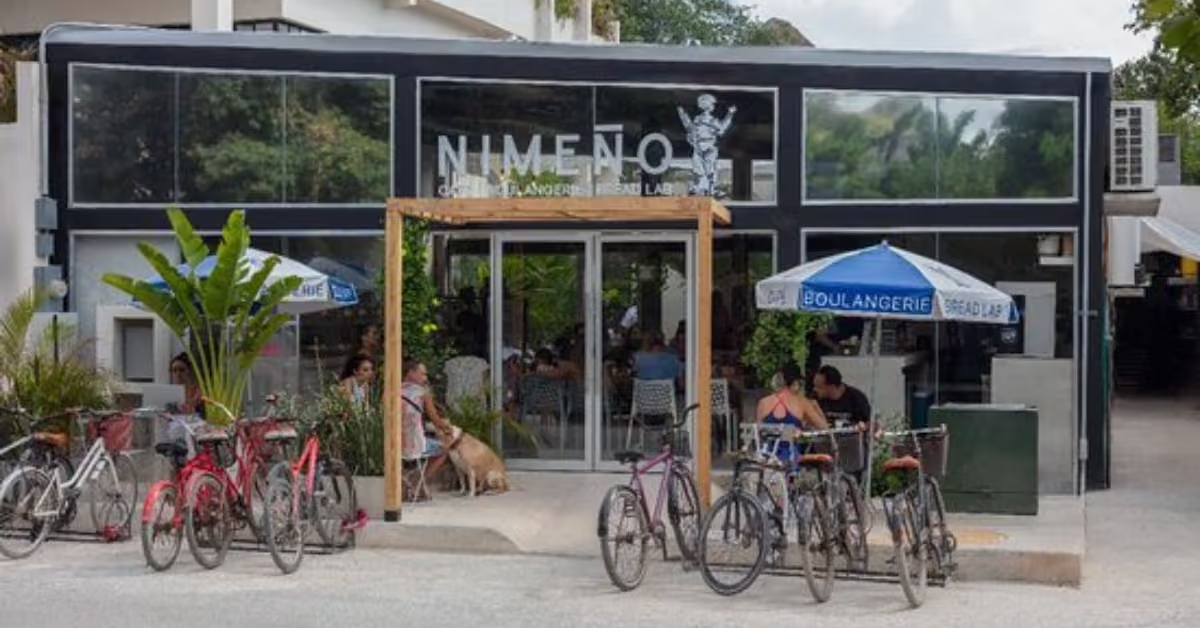
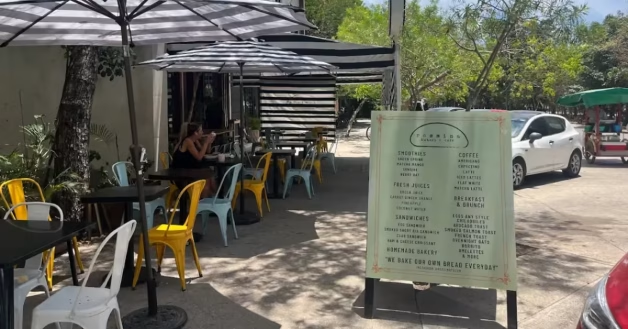
The best coffee shops in Tulum: Nimeno’s breakfasts, Campanella’s gelato and espresso, and laptop-friendly Rossina, all with multiple locations in town.
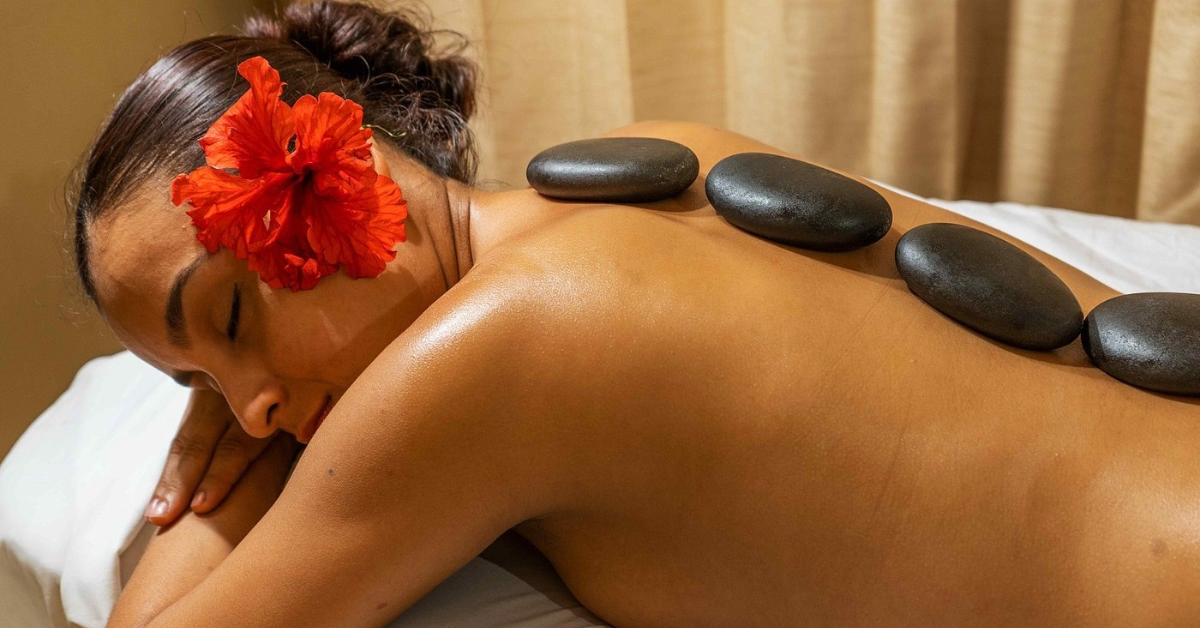
Getting a massage in Tulum: beachfront tables, jungle spas, in-villa therapists, and the Mayan styles you can only get here, with honest guidance.
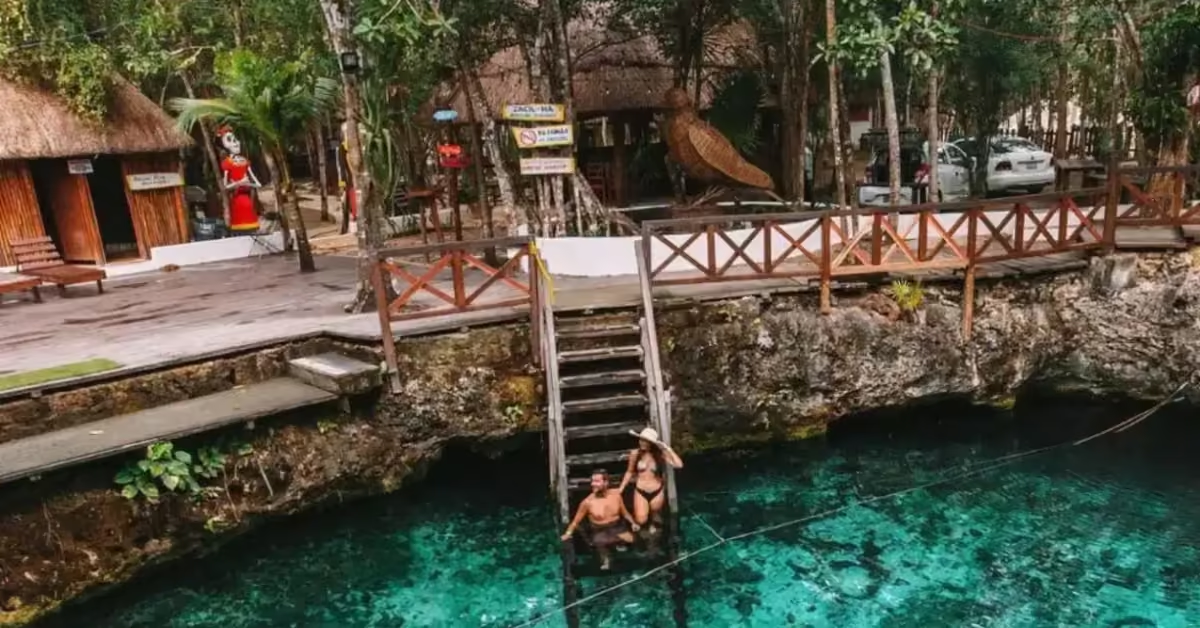
Cenote Zacil-Ha off the Tulum-Coba road: turquoise water, wooden decks, and a mini zipline, one of the most fun, family-friendly cenotes near Tulum.