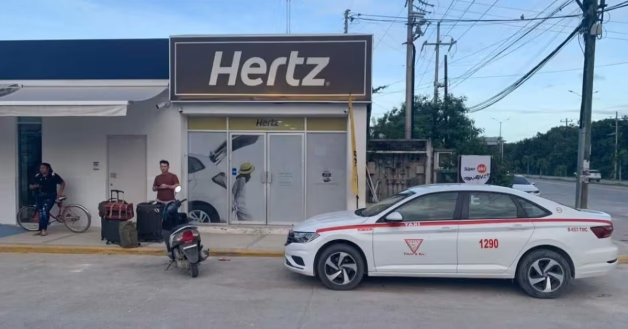
Renting a Car in Tulum: Honest Guide
Renting a car in Tulum: real prices with insurance, traps to avoid, and when a car beats taxis for your trip.
Share:
Driving in Tulum can be a great way to see more of the Riviera Maya at your own pace. It can also catch you off guard if you do not know the local quirks. After years of living and driving here, we want you to feel confident behind the wheel, so here is an honest look at what to expect and how to stay relaxed on the road.
Driver’s license: most foreign licenses and international permits are accepted, so your home license is usually fine.
Insurance: Mexican liability insurance is mandatory, and your home or US policy does not cover you here. Always carry your insurance papers, and budget for this cost, since it is often the largest part of a rental.
Two things surprise first-time drivers most. The first is topes, the speed bumps that appear before checkpoints, towns, and changing speed zones. They are often unmarked and high enough to damage your suspension, so slow right down whenever you see one coming.
The second is road condition. Some roads in and around Tulum are rough, with potholes that appear out of nowhere. Mexican road signs and markings can also differ from what you are used to, so give yourself time to read them. A GPS app makes all of this far easier.
As a general guide, limits run around 40 km/h in towns, 80 km/h on rural roads, and 100 to 110 km/h on highways. Across Tulum, many roads now post 30 km/h, even on bigger streets. Be aware that locals often drive faster than posted, sometimes much faster, so stay alert and drive defensively rather than assuming everyone follows the signs.
Checkpoints are common on the highways and are generally routine. They are mostly looking for drugs and weapons, not tourists, and most cars are simply waved through. If you are stopped, stay calm and polite, answer where you are headed, and let them do a quick visual check.
Here is a genuinely useful one that most visitors never hear about. Quintana Roo runs a free program called the Tourist Mobility Pass, set up through an app called Guest Assist, to protect tourists who rent a car from being shaken down at traffic stops.
You download the Guest Assist app, register the Tourist Mobility Pass with your passport, your home driver’s license, a photo of your rental contract, and your travel dates, and the app generates a QR code. If an officer pulls you over for a minor violation, you show the code, they scan it, and you get a warning instead of a fine, with your documents handed straight back rather than held.
It is worth knowing the limits. The pass covers up to two minor violations, and it does not apply to serious offenses like drunk or reckless driving. It is a courtesy program to cut down on tourist shakedowns, not a free pass for everything. Setting it up before you drive is five minutes well spent.
We recommend avoiding night driving when you can, especially away from the main tourist corridor. Roads are poorly lit, and topes, potholes, animals, pedestrians, and vehicles without taillights are all much harder to see. After dinner or a night out, it is safer and far more relaxing to let a driver take you home.
Fill up when you can, since distances are long and stations are sometimes spread out. Gas stations in Mexico are full service, so an attendant pumps for you. The most common trick is starting to pump before the meter has been reset, so you pay for the previous customer’s fuel on top of your own. Before they begin, check that the pump reads zero, and it helps to say “desde cero, por favor” (from zero, please). Watch the display as it runs, and you will not have a problem.
Driving yourself is great for day trips and exploring. It is the harder choice for the beach and hotel zone, where traffic crawls and parking is limited and costly, and for any evening that involves drinks. On those occasions, a private driver takes the stress out completely. You enjoy the day, and someone else handles the road, the parking, and the trip home.

Renting a car in Tulum: real prices with insurance, traps to avoid, and when a car beats taxis for your trip.

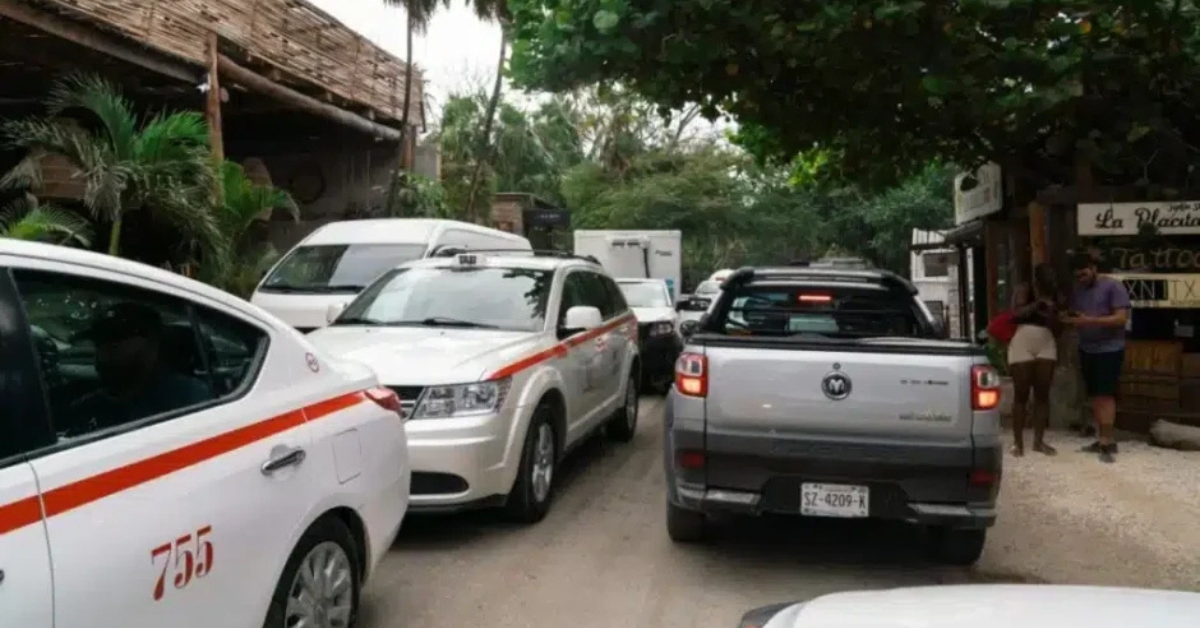
Salsa classes in Tulum for every level: The Room academy, Palma Central’s Tuesday socials, and sunset classes at Lula, no partner or experience needed.
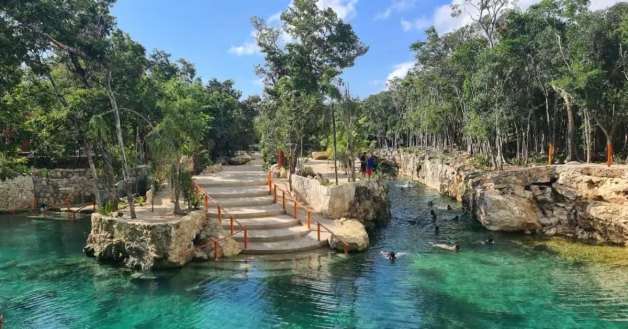
Cenote Casa Tortuga near Tulum: a guided park of four different cenotes in one visit, with prices, what the tour includes, and who it suits best.
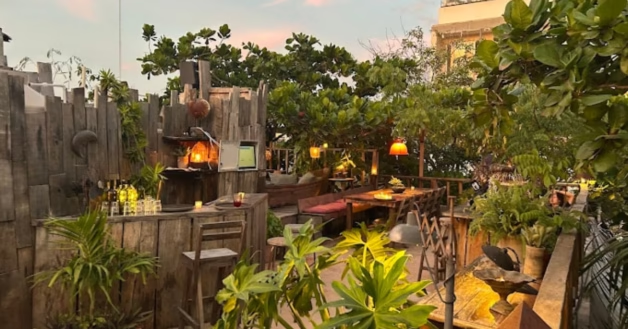
The best bars in Tulum: Batey’s sugarcane mojitos, artsy rooftops, Veleta Market nights, and the local pub crawl.
How expensive is Tulum really? Actual prices for food, transport, activities, and nights out, plus example daily budgets from backpacker to luxury.
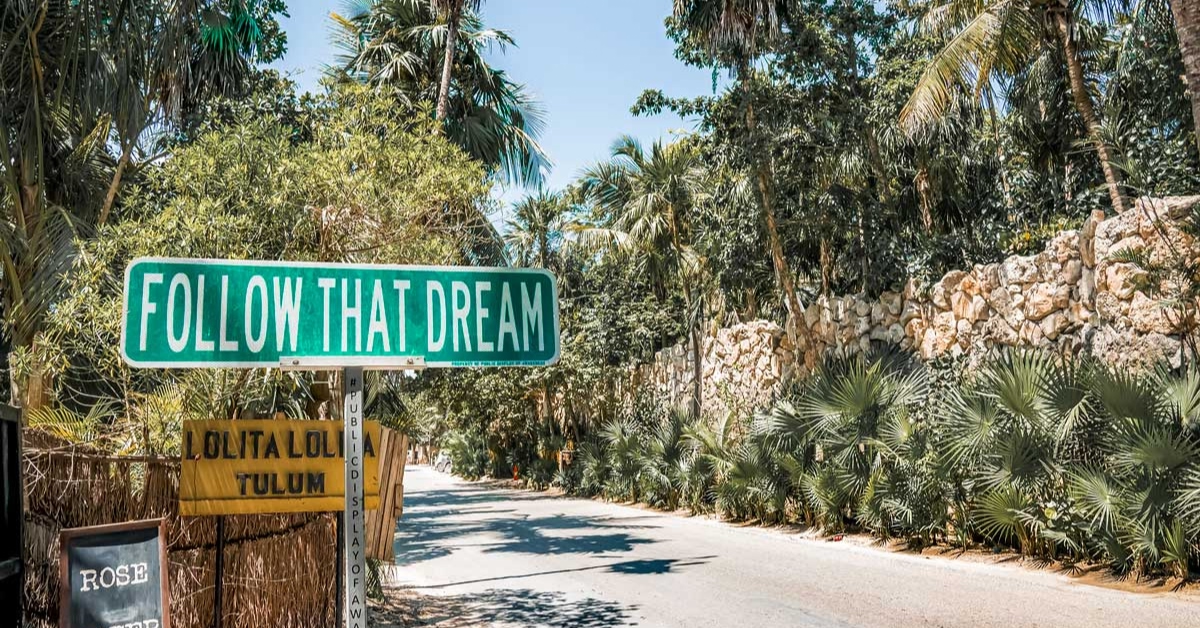
The best photo spots in Tulum: the Follow That Dream sign, clifftop ruins, Ven a la Luz, glowing cenotes, and jungle cafes, with timing and angle tips.
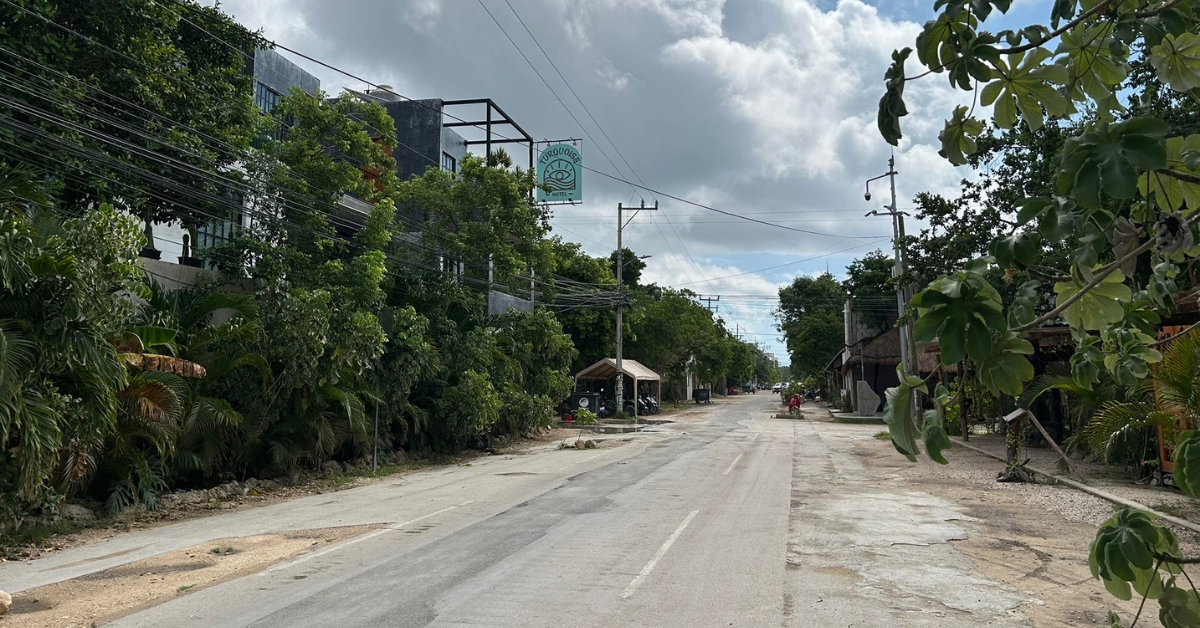
La Veleta in Tulum: the cool, fast-growing neighborhood of cafes, food parks, and calm streets, with what to expect and who should stay here.